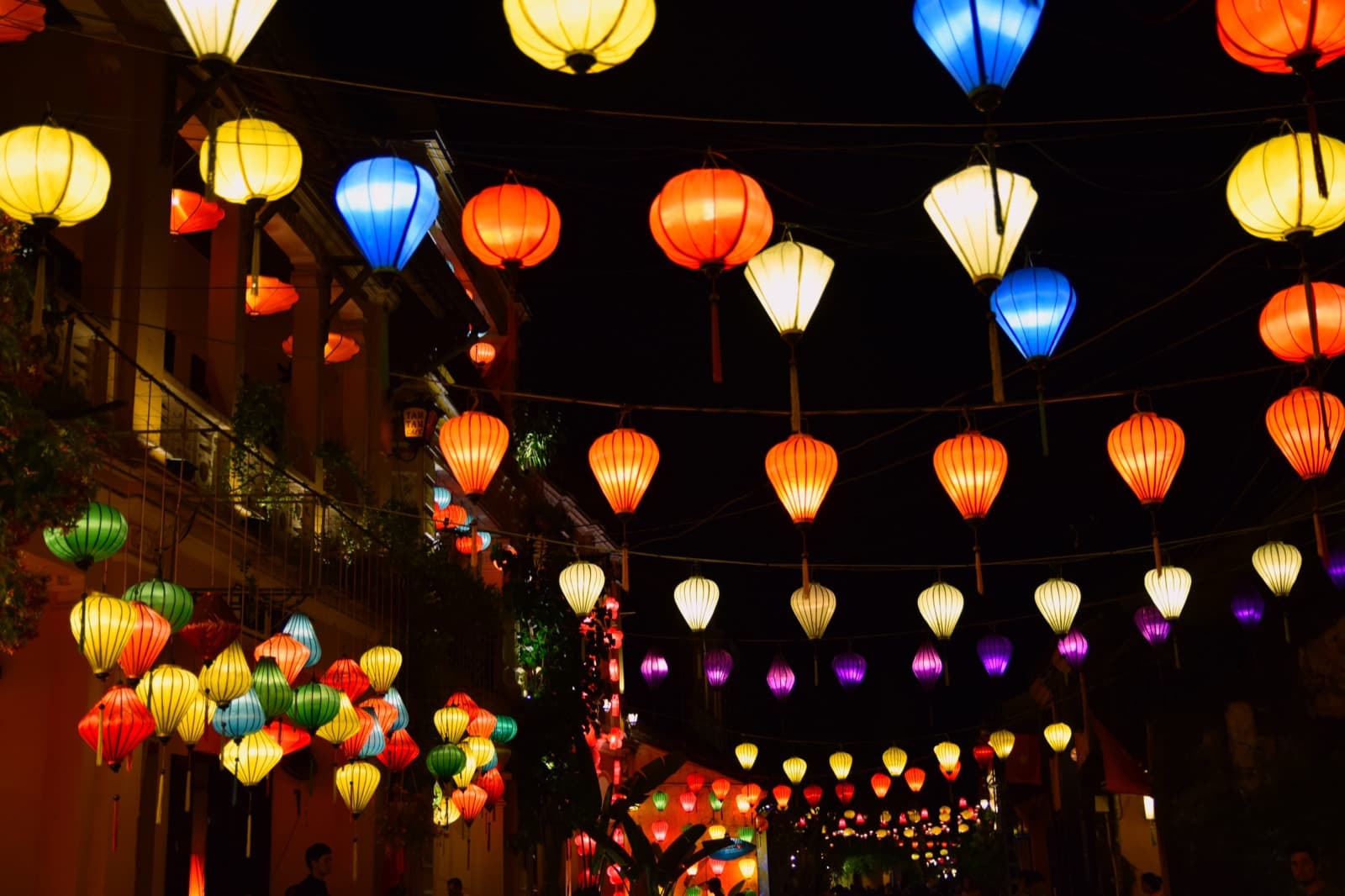
Vietnam travel reviews 2026: is it worth it?
Honest reviews from real travellers, up-to-date 2026 prices in VND with dollar conversions, and the specifics for each resort. No tour-sales spin — just what helps you decide whether to go, and who it's for.

Vietnam is having a moment. International arrivals keep climbing, the country reopened its 90-day e-visa to most nationalities, and the cost of living on the ground runs well below Western levels. Ten days for two people, on the ground, can cost as little as ~$520 excluding flights — which is why it keeps climbing traveller wish-lists.
But cheap doesn't automatically mean perfect. We pulled together fresh reviews from real travellers, current 2026 prices, and the specifics for each resort. No tour-sales spin — just what helps you decide whether to go.
Information current as of 03/2026. Prices vary by season.
Our verdict: 8 out of 10
Vietnam scores 8 out of 10 for a beach-and-culture trip — on the balance of value, variety of things to do, and accessibility. That's a strong result, with caveats: the infrastructure lags Thailand, the sea isn't crystal-clear at every resort, and the road chaos takes getting used to.
| Category | Score | Note |
|---|---|---|
| Beaches & sea | 7/10 | Good beaches exist, but not everywhere. The best are on Phu Quoc |
| Food & drink | 9/10 | One of Asia's best cuisines. Seafood for pennies |
| Value | 9/10 | Only Cambodia and Laos are cheaper |
| Infrastructure | 6/10 | Cities are developed; smaller resorts are basic |
| Safety | 7/10 | Broadly safe, but petty theft and traffic grate |
| Things to do | 8/10 | Theme parks, tours, diving, kitesurfing |
| For kids | 7/10 | Works, but needs prep and insurance |
| Culture & sightseeing | 9/10 | Temples, palaces, Ha Long, the Mekong Delta |
| Average | 8/10 | An excellent pick if you know the quirks |
Scores aggregate reviews from TripAdvisor, Reddit r/VietnamTravel and Lonely Planet, plus our own experience. Data current as of 03/2026.
The nines for food and culture are earned. Vietnamese cuisine is among the most varied in Southeast Asia, and the heritage — from the imperial city of Huế to Ha Long Bay — is UNESCO-listed. The six for infrastructure is honest too: outside the main cities, roads and pavements are far from Western standards, and English can thin out fast.
What travellers praise — 10 reasons to go

Vietnam pulls in more travellers every year. Here are the concrete reasons — with numbers and prices.
1. Prices that make you double-take. A proper café lunch — 150,000 VND (~$6). A beer — 10,000 VND (~$0.40). An hour-long massage — 200,000 VND (~$8). A lobster in a restaurant costs less than a mid-range lunch back home.
2. Simple visa rules. Citizens of the UK, Norway, Switzerland, Japan, South Korea and 18 EU countries (including Germany, France, Italy, Spain, the Netherlands and Poland) get 45 days visa-free. Most others, including US, Australian and Canadian travellers, apply for the e-visa at evisa.gov.vn: up to 90 days, $25 single entry or $50 multiple entry. Full rules — visa guide. Passport valid 6+ months and a return ticket — that's the core of it.
3. Warm all year. Air +25 to +35 °C, water +25 to +29 °C, twelve months a year. You just need to match the resort to the season.
4. Food worth flying for. Phở, bánh mì, spring rolls, bún chả noodles, grilled seafood. Tropical fruit — mango, passionfruit, rambutan — runs 30,000–50,000 VND (~$1.20–2) a kilo.
5. Wildly varied landscapes. The beaches of Phu Quoc, the pine-clad highlands of Da Lat (+18 °C), the megacity of Ho Chi Minh City, Hạ Long Bay with its thousands of karsts, the rice terraces of Sa Pa. One country, ten trips.
6. English goes further than you'd expect. In tourist zones — Nha Trang, Da Nang, Hoi An, the big cities — menus, signs and hotel staff handle English fine, and translation apps cover the gaps. It's an easy country to travel independently.
7. Tours for every taste. The imperial palaces of Huế, the ancient town of Hội An, the Cu Chi Tunnels, the bridges of Da Nang, a Ha Long cruise — the cultural side is every bit as strong as the beaches.
8. Friendly locals. Vietnamese people are open and quick to smile, especially away from the tourist strips — in villages and small towns.
9. Serious coffee. Vietnam is the world's second-largest coffee exporter. A cup of cà phê sữa đá (iced coffee with condensed milk) runs 20,000–35,000 VND (~$0.80–1.40). Beans to take home start at 150,000 VND (~$6) per 500 g.
10. Growing arrivals aren't an accident. International arrivals have kept climbing since the country reopened after the pandemic. When that many people vote with their feet, it counts.
Worth a mention too: shopping in Vietnam — pearls, coffee, Vietnamese balms (the famous "Golden Star"), silk from Hội An, cashews and dried fruit — all a fraction of Western prices.
What travellers criticise — 10 downsides nobody warns you about

Glossy beach photos are one side. Here's the other — from the reviews of people who've actually been. We're not scaremongering: most of these are solved with a bit of preparation.
1. The sea isn't always clear. In Nha Trang from October to December the water turns murky and the waves pick up. Phu Quoc is cleaner, but during the rains (June–October) it's no crystal either. In Mui Ne the afternoon beach is really only good for surfing.
2. The traffic is genuinely stressful. Thousands of scooters, junctions with no lights, drivers who won't stop for pedestrians. The first few days, crossing the road is an extreme sport. The rule: walk slowly and steadily, don't flinch.
3. Tourist overcharging. Double prices, phantom items on the bill, a taxi meter that's mysteriously "broken." Grab is the fix: the price is fixed and the route is on your screen.
There are some common scams in Vietnam, such as the motorbike scam where vendors try to charge you for pre-existing damage to your bike rental. When renting anything, take photos and videos beforehand just in case. … The money is similar looking here so oftentimes people will “mistakenly” give you the wrong change hoping you won’t notice that the 200,000 VND bill you just got is actually only 20,000Nomadic Matt, 2025
4. City grime. Litter on the pavements, dust from construction — in the non-touristy quarters of the big cities. Resort zones are cleaner, but the urban environment is unvarnished.
5. Stomach trouble. Unfamiliar food, chilli, iffy hygiene at some street stalls — an upset stomach in the first days is common. Advice: start with proven cafés, drink only bottled water. Loperamide (Imodium) and rehydration salts are must-packs.
6. Bag-snatching in the cities. Scooter thieves grabbing bags off shoulders on the move is a classic. Wear your backpack on your front, don't flash your phone on the street, valuables go in the hotel safe.
7. Mosquitoes and jellyfish. Mosquitoes are year-round, worst in the evening. Jellyfish come with the rainy season. DEET repellent and vinegar for stings are essentials.
8. Construction and noise (2025–2026). Vietnam is building fast. In Nha Trang and on Phu Quoc there are building sites right by hotels — morning noise, dust. Before you book, read reviews from the last three months.
9. The language barrier off the tourist track. In smaller towns English is basic at best. Google Translate with the camera is your best friend.
10. Holiday surcharges. From mid-December hotels climb 20%, and by 31 December 50%+. Vietnamese New Year (Tết, late January to early February) is the week when everything shuts: cafés, shops, tours.
When to go to Vietnam — a month-by-month breakdown

Vietnam stretches 1,650 km north to south. There's no single season — when the south is dry, the centre is soaked and the north is cool. Here's the full picture by month.
| Month | South (Phu Quoc, Phan Thiet) | Centre (Nha Trang, Da Nang) | North (Hanoi, Ha Long) | Verdict |
|---|---|---|---|---|
| January | Dry, +30 °C | Dry, +26 °C | Cool, +18 °C | Excellent (south & centre) |
| February | Dry, +31 °C | Dry, +27 °C | Cool, +19 °C | Excellent (south & centre) |
| March | Dry, +32 °C | Dry, +28 °C | Warm, +22 °C | Excellent (everywhere) |
| April | Rains start, +33 °C | Hot, +30 °C | Warm, +25 °C | Good (centre & north) |
| May | Rains, +32 °C | Hot, +31 °C | Warm, +28 °C | With caveats |
| June | Rains, +31 °C | Hot, +32 °C | Hot, +30 °C | With caveats |
| July | Rains, +30 °C | Hot, +32 °C | Hot, +30 °C | With caveats |
| August | Rains, +30 °C | Hot, +32 °C | Hot, +30 °C | With caveats |
| September | Rains, +30 °C | Rains, +29 °C | Warm, +28 °C | No (except the north) |
| October | Rains ending, +30 °C | Rains, +27 °C | Warm, +26 °C | With caveats (south) |
| November | Dry, +30 °C | Rains, +26 °C | Cool, +22 °C | Good (south) |
| December | Dry, +30 °C | Rains, waves, +25 °C | Cool, +18 °C | Excellent (south) |
January–March is the sweet spot. Dry and warm in the south and centre. High season — prices are up, but the weather is ideal. Water +26–28 °C, minimal rain. Book hotels 2–3 months ahead.
May–August is summer: hot, humid, short downpours in the south. But in Nha Trang and Da Nang it's the height of beach season — rain falls for 30–60 minutes, then the sun's back. The main downside is humidity over 80%.
September–October is shoulder season. The lowest prices of the year, but the weather is a gamble — typhoons are possible in the centre. A risky pick, but a window of opportunity for budget travellers.
November–December is the start of high season in the south. Phu Quoc and Phan Thiet are in perfect form: dry, +30 °C, clear water. Around New Year, hotel prices leap 50%+.
Which resort to choose — map and comparison

Six resorts cover most first trips — in one table. Each is different: Nha Trang for infrastructure, Phu Quoc for beaches, Da Nang for culture.
Green pins are the resorts with the best beaches (8–9 out of 10), blue ones score a solid 7, amber ones are places you go for something other than the sea. Tap a pin for the scores, who it suits and what a hotel costs.
- Phu Quoc (Phú Quốc): Beach 9/10, infrastructure 7/10 — Families, quiet — 3★ hotel from ~$20, season Nov–Apr
- Da Nang (Đà Nẵng): Beach 8/10, infrastructure 8/10 — Independent travellers — 3★ hotel from ~$11, season Feb–Aug
- Nha Trang (Nha Trang): Beach 7/10, infrastructure 9/10 — Couples, first-timers — 3★ hotel from ~$12, season Jan–Aug
- Phan Thiet / Mui Ne (Phan Thiết / Mũi Né): Beach 7/10, infrastructure 5/10 — Kitesurfers, families — 3★ hotel from ~$10, season Oct–Apr
- Da Lat (Đà Lạt): No sea, infrastructure 5/10 — Romantics, mountains — 3★ hotel from ~$9, season Nov–Apr
- Ho Chi Minh City (TP. Hồ Chí Minh): No beach, infrastructure 8/10 — Nightlife, shopping — 3★ hotel from ~$10, season Nov–Apr
| Resort | Beach | Infrastructure | Who it's for | 3★ hotel/night | Best season |
|---|---|---|---|---|---|
| Nha Trang | 7/10 | 9/10, very touristy | Couples, first-timers | from ~$12 | Jan–Aug |
| Phu Quoc | 9/10 | 7/10, developing | Families, quiet | from ~$20 | Nov–Apr |
| Da Nang | 8/10 | 8/10, modern city | Independent travellers | from ~$11 | Feb–Aug |
| Phan Thiet/Mui Ne | 7/10 | 5/10, simple | Kitesurfers, families | from ~$10 | Oct–Apr |
| Da Lat | No sea | 5/10 | Romantics, mountains | from ~$9 | Nov–Apr |
| Ho Chi Minh City | No beach | 8/10, megacity | Nightlife, shopping | from ~$10 | Nov–Apr |
Nha Trang — if it's your first time and you want maximum comfort with minimal fuss. Dense tourist infrastructure, a 3,320-metre cable car to the Vinpearl theme park (check on the VinWonders site whether it's running after reconstruction), easy English. The single most popular beach city among package travellers.
Phu Quoc — if beach and quiet matter most. The best sand in Vietnam: Bãi Sao (white as flour) and Bãi Dài (20 km of near-empty shore). Prices run ~30% above the mainland because of the logistics of an island.
Da Nang — for those who want culture and fewer crowds. Nearby: the ancient town of Hội An (30 minutes by taxi) and the imperial city of Huế (2 hours). Full guide — Da Nang from A to Z.
Phan Thiet/Mui Ne — laid-back, no rush. Sand dunes, fishing villages, wind for kitesurfing. By most accounts there's not much to fill more than a week here unless you surf.
Da Lat — a mountain resort with no sea. Waterfalls, pine forests, strawberry farms and +18 °C year-round.
Ho Chi Minh City — a megacity of 14 million people (since 2025 the city includes Bình Dương and Vũng Tàu). World-class street food — pho for 40,000 VND (~$1.60), bánh mì for 25,000 VND (~$1).
Fast Track — no queue at the border
5–10 minutes instead of an hour in the immigration queue
from$11per passenger
How much a Vietnam trip costs in 2026

Ten days for two — from ~$520 on the ground on a tight budget to ~$1,980 for comfort, excluding international flights. On the ground, even "comfortable" costs remarkably little; the biggest variable is your hotel.
| Item | Budget | Mid-range | Comfort |
|---|---|---|---|
| Hotel (10 nights) | ~$180 (2★) | ~$450 (3–4★) | ~$900 (4–5★) |
| Food (10 days, 2 people) | ~$170 | ~$280 | ~$500 |
| Local transport | ~$55 (Grab) | ~$80 | ~$170 |
| Tours | ~$55 | ~$170 | ~$330 |
| Connectivity (2 eSIMs) | ~$20 | ~$20 | ~$20 |
| Travel insurance (2 people) | ~$40 | ~$40 | ~$60 |
| Total for two (on the ground) | ~$520 | ~$1,040 | ~$1,980 |
A café lunch — 100,000–200,000 VND (~$4–8) for two. Street food — 30,000–50,000 VND (~$1.20–2) a portion. A Saigon or Tiger beer — 10,000–15,000 VND (~$0.40–0.60). Iced coffee — 20,000–35,000 VND (~$0.80–1.40).
Per Numbeo (September 2026), the cost of living in Vietnam is about 60% below the US, with rent nearly three-quarters lower. A month of living for one person runs from ~$450 in a smaller city to ~$700 in Ho Chi Minh City.
…My spending on the ground came to around $350 (lots of cafés, souvenirs and a visit to the Vinpearl amusement park). After asking friends and reading tourist reviews from 2026, I concluded that keen sightseers bring $1,200 for two for 10 days — and that is more than enough.traveller on Nha Trang, howtrip.ru, 2026, translated by VietnamSpot
Payment tip: in cities, Visa and Mastercard work at hotels, malls and mid-range restaurants, and ATMs are plentiful (watch for withdrawal fees). But street food, markets and small towns are cash-only — carry VND. Change money at a bank or a licensed counter, and never at the airport, where the rate is worst. Since 9 February 2026, exchanging currency outside licensed points is fined under Decree 340/2025/NĐ-CP. A gold shop may exchange money only with a State Bank exchange-agent certificate, and a tourist has no way to check that.
Safety and health

Vietnam is a safe country for tourists — violent crime is rare. The main risks are everyday ones, and all are solved with preparation.
Health
- Stomach upset is the top issue. Drink only bottled water, wash fruit, and skip spicy street food the first few days
- Sunburn — SPF 50+ is a must even on overcast days
- Mosquitoes — DEET repellent, a plug-in vaporiser at night
- Jellyfish — in the rainy season. Vinegar takes the sting out
On the street
- Theft — backpack on your front, no phone out while walking, valuables in the safe
- Traffic — don't dart across, walk slow and steady
- Taxis — only Grab or Vinasun/Mai Linh. Street taxis "forget" the meter
- Restaurant bill — check every line
Sort out before you go
- Travel insurance with at least $30,000 cover — including motorbike riding. Without it, a doctor's visit runs from ~$100 and hospitalisation from ~$1,000
- A small kit: loperamide (Imodium), oral rehydration salts, antiseptic, SPF 50+, DEET repellent
Vietnam or Thailand — which to pick
The classic Southeast Asia question. Short answer: Vietnam is 15–25% cheaper, Thailand is smoother on infrastructure and more predictable on service.
| Criterion | Vietnam | Thailand |
|---|---|---|
| Visa | 45 days visa-free or e-visa from $25 (by passport) | Visa-free for many passports; the 60-day scheme was cancelled in 2026 |
| Prices on the ground | Lunch ~$2–6 | Lunch ~$3–8 |
| Beaches | Good (Phu Quoc — excellent) | Excellent (Phuket, Samui) |
| Infrastructure | Strong in the cities | Strong across the board |
| Food | Light, lots of seafood | Spicy, aromatic |
| English | Good in tourist zones | Widely spoken |
| Nightlife | More modest | Richer |
Tight budget — Vietnam, no contest. Saving 15–25% on the ground adds up: the same 10 days come in a few hundred dollars cheaper. Value smooth service and predictability — Thailand, honed by decades of tourism, throws fewer surprises. First time in Asia — either works; Vietnam's tourist zones are just as easy to navigate in English. For the full breakdown with prices and resorts on both sides, see Vietnam or Thailand.
Common mistakes travellers make in Vietnam

Not bargaining and not checking the bill is mistake number one. Skipping travel insurance is number two. Here are eight slips that genuinely spoil trips.
1. Not bargaining. At markets the opening price is 2–3 times the real one. Haggling is normal — sellers expect it and take no offence.
2. Drinking tap water. Don't. Even brush your teeth with bottled water the first few days.
3. Skimping on insurance. A doctor's visit without cover is ~$100. Hospitalisation is ~$1,000+. Insurance for 10 days costs a fraction of that. Simple maths.
4. Changing money at the hotel. The rate is 3–5% worse. Use a bank or a licensed city exchange office. Since 9 February 2026, exchange outside licensed points is fined (Decree 340/2025/NĐ-CP), and a gold shop is legal only with a State Bank exchange-agent certificate you can't verify.
5. Riding without a helmet. It's a fineable offence under Decree 168/2024, and without a helmet any crash means serious injury. Also check whether your travel insurance covers riding without a local licence.
6. Planning your trip during Tết. Vietnamese New Year (late January to early February) — cafés, shops and tour desks close. Hotel prices go stratospheric.
7. Not checking recent reviews. A hotel that was great in 2023 may have slipped. Before booking, filter reviews to the last three months.
8. Booking all-inclusive. The AI concept is barely developed in Vietnam — full "all-inclusive" resorts are rare, and travellers who pay for them often come away disappointed. The best strategy is room-only plus eating out: more variety, better food, and 3–5 times cheaper.


FAQ — frequently asked questions

Yes, but it depends on the region. In summer (June–August) Nha Trang and Da Nang are hot and sunny — peak beach season. The south gets the rainy season, with short 30–60 minute downpours, but sun in between. Prices are lower and crowds thinner.
Yes. The best options are Phu Quoc (beachfront resorts, a gentle shelving sea, Vinpearl Safari) and Phan Thiet (quiet and safe). Essentials: travel insurance with pediatric cover, SPF 50+. The best window is December–April.
It depends on your passport. Citizens of the UK, Norway, Switzerland, Japan, South Korea and 18 EU countries (including Germany, France, Italy, Spain, the Netherlands and Poland) get 45 days visa-free. Most others, including US, Australian and Canadian travellers, apply for the e-visa at evisa.gov.vn: up to 90 days, $25 single entry or $50 multiple entry. Full rules — visa guide. Your passport must be valid 6+ months, and you'll need a return ticket.
For two people on the ground (excluding flights): from ~$520 on a tight budget to ~$1,980 for comfort. In cities you can pay by card, but carry VND cash for street food, markets and small towns.
Increasingly yes in cities — Visa and Mastercard work at hotels, malls and mid-range restaurants, and ATMs are everywhere (mind the withdrawal fees). But street food, markets and small towns remain cash-only, so always keep some VND on you.
Nha Trang for comfort and easy tourist infrastructure. Phu Quoc for the beach and quiet. Da Nang for independent travellers into culture. With small kids — Phu Quoc or Phan Thiet.
No. Eating out is 3–5 times cheaper and often better. Dinner for two at a good restaurant is 400,000–600,000 VND (~$15–24). A comparable hotel meal starts around $40.
Yes, Vietnam is one of the safest countries in Southeast Asia. Violent crime against tourists is rare. The day-to-day risks: bag-snatching from scooters, chaotic traffic, stomach upset, sunburn. All are manageable — insurance, Grab instead of street taxis, backpack on your front, bottled water, SPF 50+.
- Guide
Hoi An Tours 2026: My Son, Cham Islands & Day Trips
Twelve tours from Hoi An in 2026: My Son, Cham Islands, basket boats, Tra Que, Hai Van Pass. Prices in USD, month-by-month season, where to book cheapest.Hoi An Tours 2026: My Son, Cham Islands & Day Trips - Guide
Dalat Flower Festival 2026: Dates, Programme, Tips
Dalat Flower Festival 2026 runs 19-31 December. Confirmed programme, venues, December weather, where to stay, how to get there and what it costs.Dalat Flower Festival 2026: Dates, Programme, Tips - Guide
Hon Thom Cable Car, Phu Quoc: Tickets & Tips 2026
The Hon Thom cable car in Phu Quoc — the world's longest sea crossing: tickets, Sun World, what's on the island and how to get there.Hon Thom Cable Car, Phu Quoc: Tickets & Tips 2026