Vietnam War history: museums and memorials
The war in Vietnam ran for 20 years and, by various estimates, cost between two and more than three million lives. Today its museums draw more visitors than ever. This guide covers every key war museum and memorial from Ho Chi Minh City to the DMZ — with 2026 ticket prices, coordinates and ready-made routes for travellers.

The Bảo tàng Chứng tích Chiến tranh in Ho Chi Minh City alone draws around 500,000 visitors a year. These places aren't about ceremonial history. They are about real lives, the decisions made, and the consequences that followed. Locals call it the American War; the world knows it as the Vietnam War — same 1955–1975 conflict, two vantage points.
Prices current as of mid-2026. Rate used here: ~26,000 VND ≈ $1.
- War Remnants Museum (Bảo tàng Chứng tích Chiến tranh): 40,000 VND (~$1.50) — Daily 7:30–17:30
- Reunification Palace (Dinh Độc Lập): 80,000 VND (~$3) — Daily 7:00–18:00
- Cu Chi Tunnels (Địa đạo Củ Chi): 110,000 VND (~$4.20) — 45 km from Ho Chi Minh City
- Military History Museum (Bảo tàng Lịch sử Quân sự Việt Nam): 40,000 VND (~$1.50) — New building, 2024
- Hoa Lo Prison (Nhà tù Hỏa Lò): 50,000 VND (~$2) — Daily 8:00–17:00
- Vinh Moc Tunnels (Địa đạo Vịnh Mốc): 2 km of tunnels — Up to 30 m deep
- Khe Sanh Combat Base (Căn cứ Khe Sanh): Site of the January–April 1968 siege
- Quang Tri Citadel (Thành cổ Quảng Trị): 81-day battle of 1972
- Hien Luong Bridge (Cầu Hiền Lương): North/South border, 1954–1975
War Remnants Museum, Ho Chi Minh City

The War Remnants Museum (Bảo tàng Chứng tích Chiến tranh) is the most-visited war museum in the country and consistently ranks among the top attractions in Ho Chi Minh City. In 2025 it took a Travelers' Choice Best of the Best award.
Eight themed exhibitions spread across several buildings. In the courtyard sits captured American hardware: a UH-1 Huey helicopter, an F-5A fighter, M48 tanks and howitzers. Inside are photo archives, documents and personal effects. One hall is devoted to the aftermath of Agent Orange — the herbicide that still affects the health of Vietnamese today. There are replica "tiger cages," cells about a metre by a metre and a half, used to hold political prisoners on Con Dao Island.
The display of US military hardware outside the main building… is popular for photographs… But the horror lies on the 1st and 2nd floorsVietnam Coracle, 2025
The "Requiem" hall gathers photographs by journalists killed on both sides of the conflict. Several were Pulitzer Prize winners.
| Address | 28 Võ Văn Tần, phường Xuân Hòa (formerly District 3), Ho Chi Minh City |
| Hours | Daily 7:30–17:30, last entry 17:00 |
| Ticket | 40,000 VND (~$1.50); children 6–15 — 20,000 VND (~$0.80); under 6 free |
| Time needed | 2–3 hours |
| Metro | Ben Thanh (10 minutes on foot) |
Reunification Palace

On 30 April 1975 a T-54 tank smashed through the gates of this building — and the war was over. Dinh Độc Lập (Independence Palace) became the symbol of a reunified Vietnam. Today it is a museum kept much as it was on that day.
The ground floor holds the state rooms for receptions and talks; the first floor, the South Vietnamese president's working offices. The most striking part is the basement: a command bunker with a communications room and maps of the fighting. This is where the defence of Saigon was coordinated to the very last hours.
On the roof is a helipad. The last U.S. embassy staff were evacuated in April 1975 not from here but from the embassy's own roof, less than a kilometre from the palace.
| Address | 135 Nam Kỳ Khởi Nghĩa, phường Bến Thành (formerly District 1), Ho Chi Minh City |
| Hours | 7:00–18:00, daily |
| Ticket | 80,000 VND (~$3); students and seniors — 40,000 VND (~$1.50); children 6–15 — 20,000 VND (~$0.80) |
| Time needed | 1.5–2 hours |
Cu Chi Tunnels

More than 200 kilometres of underground passages on three levels. Việt Cộng fighters lived, fought and raised children below ground — quite literally under the feet of American soldiers. The Cu Chi Tunnels (Địa đạo Củ Chi) are one of the most powerful sights in Vietnam, and essential for anyone trying to understand how the Vietnamese won this war.
Two areas to visit
Ben Dinh (closer to the city, 45 km) is the popular one. The tunnels are widened so an average-sized visitor can get through, and there is a 20-metre stretch left at original size — not everyone can crawl it. There's a shooting range with M16, AK-47 and carbines (10 rounds runs about 500,000 VND / ~$19).
Ben Duoc (70 km from the centre) is more authentic — fewer tourists, more original stretches preserved. If you want the scale without the crowds, pick Ben Duoc.
Both areas display the traps: bamboo spikes, hidden pits, pivoting trapdoors. It sounds grim — and it looks the part. How to choose an area and what to bring — in our full Cu Chi Tunnels guide.
Getting there from Ho Chi Minh City
- Organised tour — from about $12 (half-day), includes transfer and guide
- Taxi / Grab — 600,000–1,000,000 VND (~$23–38) each way
- Bus — city buses to Cu Chi with a change. Cheap but slow (3+ hours)
| Hours | Daily 7:00–17:00 |
| Ticket | 110,000 VND (~$4.20) at Ben Dinh or Ben Duoc, guide included |
| Time needed | 2–3 hours (excluding travel) |
Military History Museum, Hanoi

In late 2024 the museum moved from an old colonial building to a futuristic, fan-shaped structure in western Hanoi. One of Vietnam's seven national museums, founded in 1956, it now covers many times the floor space.
It’s possible to come and go on the same day with one ticket but, apart from a cafe outside the main entrance, there doesn’t seem to be anywhere good to eat nearby, therefore it’s best to bring a picnicJoshua Zukas, Vietnam Coracle, 2025
The star exhibits: a Soviet MiG-21 credited with downing several American aircraft, and tank T-54 No. 843 — the very one that rammed the side gate of Independence Palace (tank No. 390 took down the main gate). Separate halls cover the wars with France (1946–1954) and China (1979). Soldiers' personal effects, letters and photographs make the war feel far less abstract.
| Ticket | 40,000 VND (~$1.50) |
| Hours | Check on site (the schedule shifted after the move) |
| Time needed | 2–3 hours |
| Address | Km 6+500 Đại lộ Thăng Long, west Hanoi, about 10 km from the Old Quarter |
Fast Track — no queue at the border
5–10 minutes instead of an hour in the immigration queue
from$11per passenger
Hoa Lo Prison — the "Hanoi Hilton"

American POWs nicknamed this place the "Hanoi Hilton" — the black humour of men locked inside a former French colonial prison. Nhà tù Hỏa Lò holds two layers of history in one building.
The first layer is the French period. The prison was built in 1896 for Vietnamese political prisoners. The exhibition shows shackles, a guillotine and isolation cells. Conditions were harsh enough that the prison became a symbol of colonial oppression.
Although the museum is successful in conveying the harsh conditions and brutality towards inmates, I didn’t find it particularly informative… some of the prison cells are ‘dramatically’ lit with a fiery red light and a brooding, villainous soundtrack played in the backgroundVietnam Coracle, 2024
The second layer is the American War. Shot-down U.S. pilots were held here, including the future senator John McCain. The Vietnamese exhibition frames this period gently — stressing "humane conditions." Western accounts describe it very differently. That contrast is itself part of the experience: read both sides and make up your own mind.
Since 2024 the prison has run evening tours (19:00–19:45) with immersive touches — projections, sound and lighting.
| Address | 1 Hỏa Lò, phường Cửa Nam (formerly Hoàn Kiếm district), Hanoi |
| Hours | Daily 8:00–17:00 |
| Ticket | 50,000 VND (~$2); audio guide another 50,000 VND |
| Time needed | 1–1.5 hours |
The DMZ and the Vinh Moc Tunnels

The 17th parallel. The Ben Hai River. The Hien Luong Bridge, split in two — one half painted for the North, the other for the South. From 1954 to 1975 this line marked the border between the two Vietnams. Today the Demilitarised Zone (DMZ) in Quang Tri Province is a place that stays with you.
What a DMZ tour covers
A standard full-day tour from Hue (8–10 hours) takes in:
- Hien Luong Bridge and the Ben Hai River (Cầu Hiền Lương) — the symbolic North/South border
- Quang Tri Citadel (Thành cổ Quảng Trị) — the 81-day battle of 1972; the citadel was all but flattened by thousands of tonnes of bombs
- Vinh Moc Tunnels (Địa đạo Vịnh Mốc) — an underground village up to 30 metres deep. Around 60 families lived here while bombs fell overhead; 17 children were born underground
- Khe Sanh Combat Base (Căn cứ Khe Sanh) — site of the January–April 1968 siege, one of the war's biggest battles

How to arrange it
Tours from Hue run from about $30 for a half-day and $35–136 for a full day, depending on group size. A private tour costs more but lets you set the pace. If central Vietnam is your focus, Hue itself is worth extra days.
Going independently is hard: the sites are spread over 100+ km and public transport is sparse. A guided tour is the sensible call.
Summary: prices, hours, time to allow
| Place | City | Ticket VND | Ticket ~$ | Hours | Time |
|---|---|---|---|---|---|
| War Remnants Museum | Ho Chi Minh City | 40,000 | ~$1.50 | 7:30–17:30 | 2–3 h |
| Reunification Palace | Ho Chi Minh City | 80,000 | ~$3 | 7:00–18:00 | 1.5–2 h |
| Cu Chi Tunnels | HCMC (45 km) | 110,000 | ~$4.20 | 7:00–17:00 | 2–3 h + travel |
| Military History Museum | Hanoi | 40,000 | ~$1.50 | check on site | 2–3 h |
| Hoa Lo Prison | Hanoi | 50,000 | ~$2 | 8:00–17:00 | 1–1.5 h |
| DMZ tour (half-day) | from Hue | from 750,000 | from ~$30 | half-day | 5 h |
| DMZ tour (full day) | from Hue | from 875,000 | from ~$35 | full day | 8–10 h |
Routes through Vietnam's war sites
Route 1: Ho Chi Minh City (2–3 days)
Day 1: War Remnants Museum in the morning (2–3 hours), lunch in District 3, then Reunification Palace in the afternoon (1.5 hours). The two sit 700 metres apart.
Day 2: Cu Chi Tunnels for the full day. Leave at 7:00, back by 14:00–15:00.
Day 3 (optional): Ho Chi Minh Museum, Notre-Dame de Saigon, the Central Post Office — history-adjacent, though not war sites as such.
Route 2: Hanoi (1–2 days)
Day 1: Hoa Lo Prison in the morning (1.5 hours), Military History Museum in the afternoon (2–3 hours). The museum is in the west of the city, about 10 km from Hoa Lo as the crow flies, so take a taxi or Grab.
Day 2 (optional): Ho Chi Minh Mausoleum, the Temple of Literature, Hoan Kiem Lake.
Route 3: DMZ from Hue (1–2 days)
Day 1: a full DMZ tour — leave Hue at 6:30–7:00, back by 17:00–18:00. Vinh Moc, Khe Sanh, Hien Luong Bridge, Quang Tri Citadel.
All three routes slot neatly into a classic Vietnam itinerary — Ho Chi Minh City, Hue and Hanoi are linked by short domestic flights (1.5–2 hours).


What to wear, when to go and whether you can take photos

What to wear. Comfortable shoes — you'll be stooping and crawling in the Cu Chi Tunnels. At the palace and the museums any tidy outfit is fine, but above-the-knee shorts and bare shoulders can draw side-eye.
Photos and video. Shooting is allowed almost everywhere except a few marked halls. No flash.
When to go. The museums are open year-round. Ho Chi Minh City is hot from May to November and more comfortable December–April. Hanoi is cool December–February (15–18 °C) and ideal in March–April and October–November.
Audio guides and tours. The War Remnants Museum and Hoa Lo have audio guides (50,000 VND). The Cu Chi Tunnels are best with a live guide — they'll show you the hidden entrances you'd never spot alone. English-language guides are easy to arrange at all the main sites.
FAQ
- An adult ticket40,000 VNDabout $1.50
- Children aged 6 to 1520,000 VND~$0.80pay half
- Under 6free
You pay at the counter, and cards are accepted
Yes — the Ben Dinh area has widened sections for visitors, 50–100 metres to choose from. The original 20-metre stretch is much tighter, and broad-shouldered visitors may not fit. If you're claustrophobic, stick to the above-ground part; it's interesting too.
Two to three hours for the site itself, plus 1.5–2 hours each way from Ho Chi Minh City. Plan on half a day. If you head out to Ben Duoc it's a bit longer, but with fewer crowds.
Two: the Military History Museum (new fan-shaped building, MiG-21, tanks) and Hoa Lo Prison (the "Hanoi Hilton"). One day covers both. Hoa Lo is by the Old Quarter, while the museum is in the west of the city, about 10 km away as the crow flies.
Absolutely. The sites are spread over 100+ km, public transport is sparse and signage is thin. A full-day tour from about $35 covers Vinh Moc, Khe Sanh, Hien Luong Bridge and the Quang Tri Citadel. On a private tour from around $80 you can linger at the spots that grab you.
It depends on age. The Cu Chi Tunnels — yes, kids enjoy exploring and looking at the traps. Reunification Palace is neutral. The War Remnants Museum needs care: parts of the exhibition (Agent Orange, napalm) can be too heavy for children under about 10–12.
- Guide
Hanoi Map 2026: Areas, Landmarks, Metro and Airport
An interactive map of Hanoi: six areas to stay in, 16 landmarks with fees, both metro lines and the bus from Noi Bai. Distances and Grab fares, checked 2026.Hanoi Map 2026: Areas, Landmarks, Metro and Airport - Guide
Con Dao Tours 2026: Sea, Jungle, History and Turtles
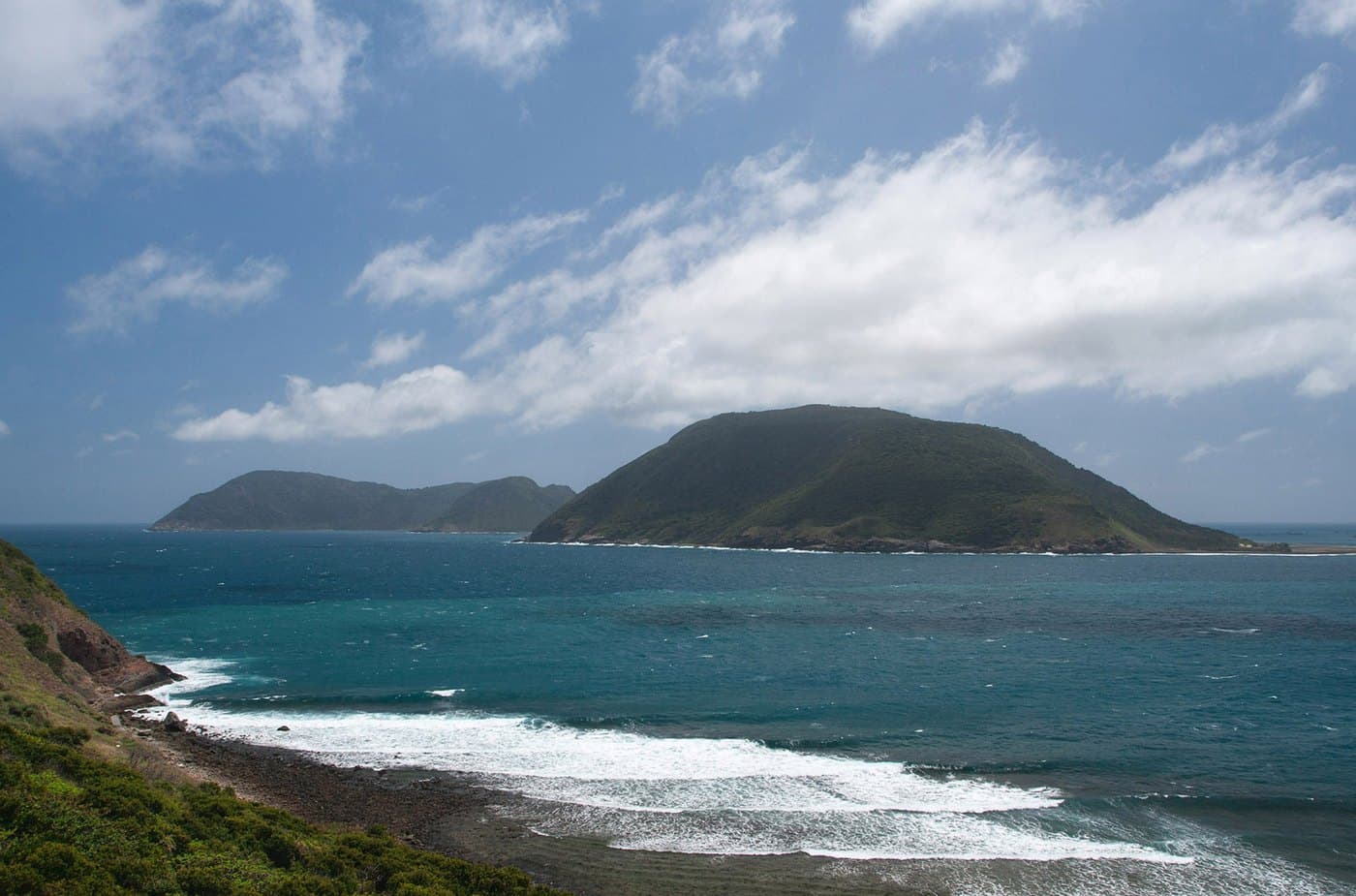
Con Dao tours in 2026: snorkeling and diving, national park treks, the prison complex and the 24-a-night turtle sleepover. Prices, operators, seasons.Con Dao Tours 2026: Sea, Jungle, History and Turtles - Guide
Cai Rang Floating Market 2026: Honest Guide to Can Tho
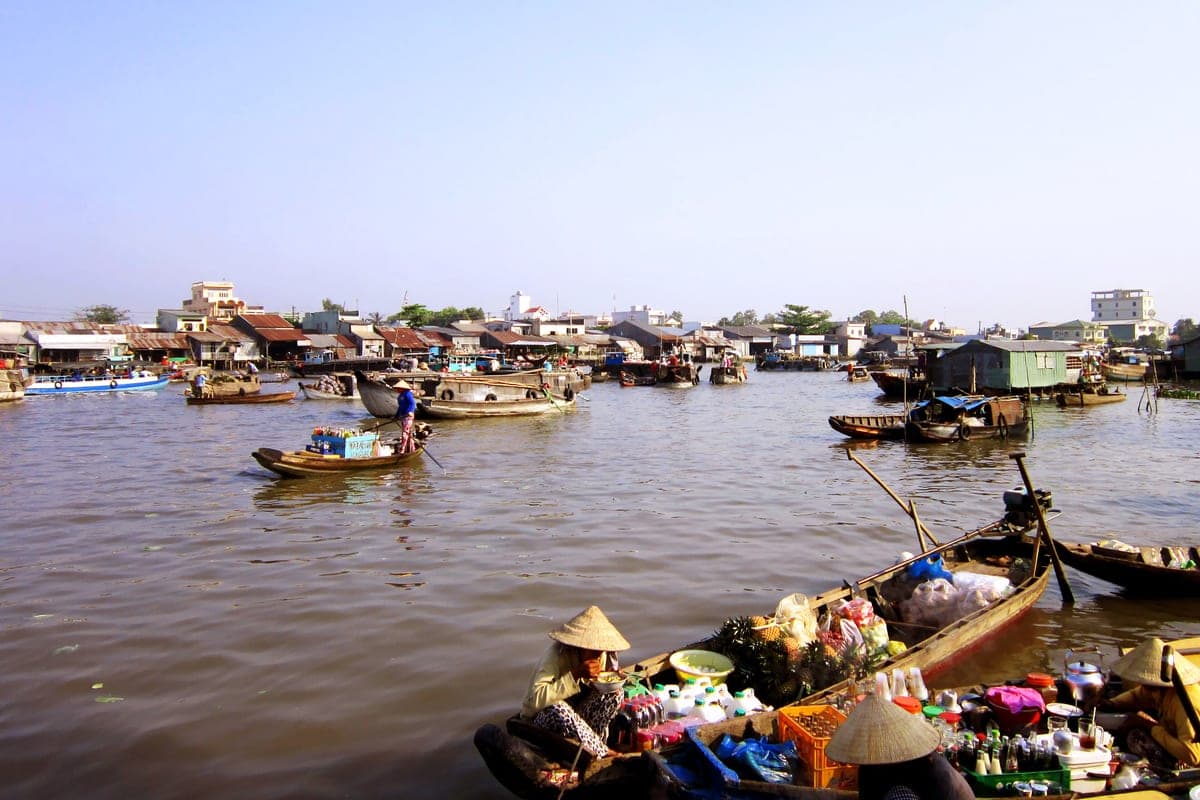
The last big floating market in the Mekong Delta. Boat prices from $10, the 5am rule, how to reach Can Tho, where to sleep, and whether it is still worth it.Cai Rang Floating Market 2026: Honest Guide to Can Tho