Travel health insurance for Vietnam in 2026
An appendectomy at an international hospital in Ho Chi Minh City runs $5,000 or more. A night in an international hospital starts near $240. A two-week policy costs around $30. The math is not complicated.

This is about travel insurance for a trip. If you are moving here for a year or more, the shape of the problem changes — a renewable resident policy, state BHYT if you hold a work permit, and evacuation as its own named benefit. That is set out in the guide to long-term healthcare in Vietnam.
Do you need travel health insurance for Vietnam?

Travel insurance is not legally required to enter Vietnam. For most nationalities travelling visa-free or on an e-visa, no one asks for a policy — not the border officers, not the airline.
But "not required" and "not needed" are two very different things.
Vietnam is a tropical country with real medical risks. In 2025 the health authorities recorded more than 100,000 cases of dengue fever nationwide. Chaotic traffic — tens of millions of motorbikes on the road — sends travellers to the hospital every day. And food poisoning from street stalls is common enough that pharmacies keep the rehydration salts and Smecta within easy reach.
Vietnam's public health insurance (BHYT) does not cover tourists. Any visit to a clinic is on you — or on your insurer, if you sorted a policy before you flew.
We recommend entering Vietnam with medical insurance… Russian missions abroad do not pay for Russian citizens' treatment in Vietnamese hospitals, cremation, repatriation or burialEmbassy of Russia in Vietnam, vietnam.mid.ru, translated by VietnamSpot
Short answer: not legally mandatory. In practice, essential.
How much does care cost without insurance?

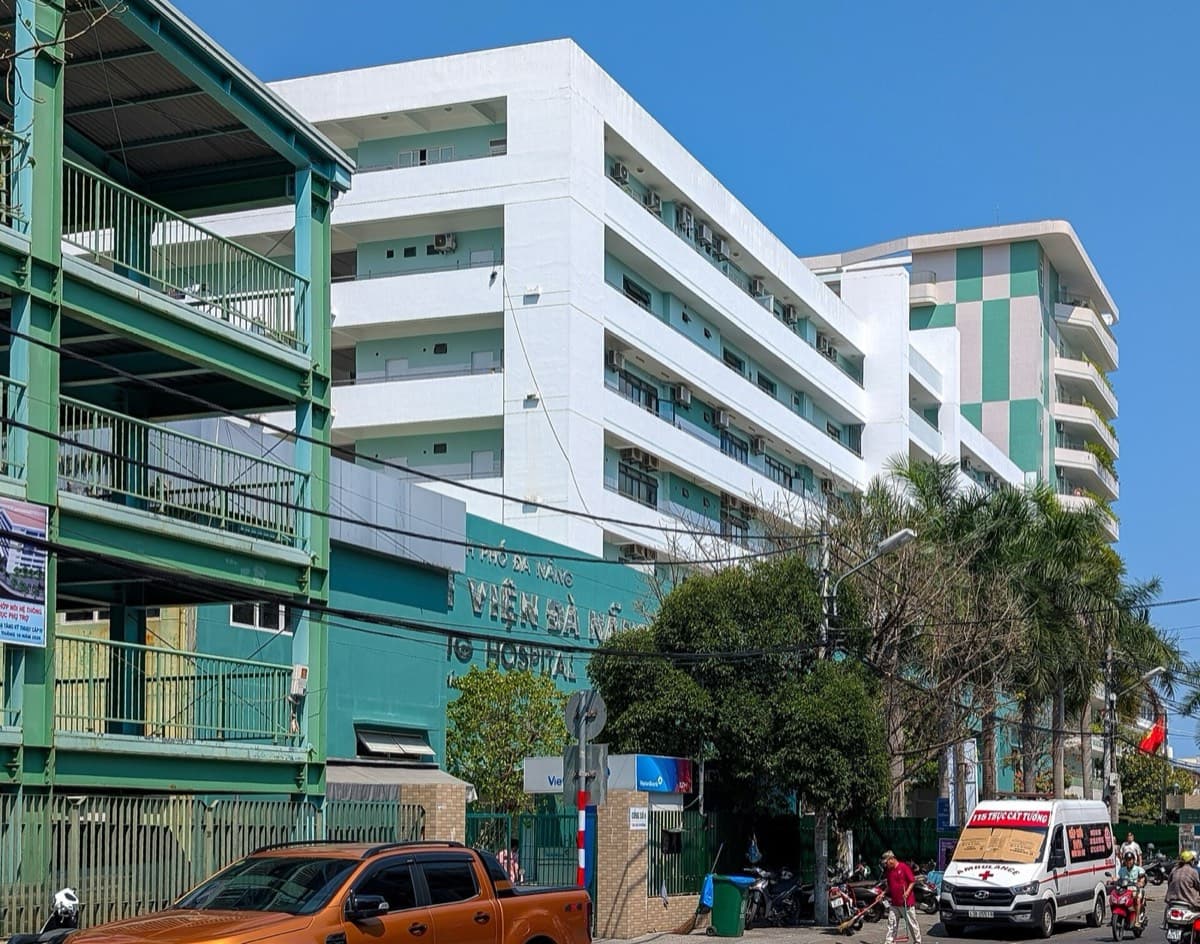
Vietnamese healthcare comes in three tiers: public hospitals (cheap, but long queues and little English), local private clinics (mid-range), and international hospitals (expensive, Western standards). As a foreigner you usually land in the third one — either on the assistance company's referral or by your own choice.
| Service | Public hospital | Private clinic | International |
|---|---|---|---|
| Doctor consultation | ~$3–11 | ~$15–45 | ~$15–170 |
| Hospital stay (per night) | ~$40 | ~$120–300 | ~$240–800 |
| X-ray | ~$15–30 | ~$40–80 | ~$80–160 |
| Appendectomy | ~$800–1,600 | ~$1,500–2,500 | ~$5,000+ |
| Fracture + hospital stay | ~$600–1,200 | ~$1,600–3,000 | ~$2,500–6,500 |
One serious injury and you spend a sum on par with the whole trip. A month-long policy costs about $50–80. A single night at Vinmec Nha Trang starts near $240. A policy for every trip over ten years still costs less than one operation at an international hospital.
Public hospitals are cheaper on paper, but for a traveller without Vietnamese they are hard to use: three- to four-hour queues, a language barrier, older equipment. In an emergency the assistance line sends you to an international hospital anyway — and the bill follows its price list.
Figures current as of July 2026. Confirm costs on each clinic's own site.
Types of policy — which one to pick

Policies differ by coverage limit, the set of included risks, and price. Four broad tiers, from bare minimum to full expat cover.
Basic policy (limit up to ~$50,000)
Fits a short trip (7–14 days) with no adventure sports. Covers emergency care, hospitalisation and medication. Does not cover chronic conditions, sports, or motorbike crashes.
| Duration | Price |
|---|---|
| 7 days | ~$15–25 |
| 14 days | ~$30–45 |
| 30 days | ~$45–70 |
Enough for a doctor's visit and a simple hospitalisation. Not enough if you end up on an operating table.
Standard policy (limit ~$100,000)
The sweet spot. Covers the main risks plus tropical illnesses (dengue, malaria). Usually includes repatriation and baggage. Some plans add emergency dental (up to $200–300). Price for 30 days: about $60–100.
Comprehensive policy (limit $250,000+)
For anyone renting a motorbike, diving, surfing, or staying a while. Covers motorbike accidents (with a valid licence and an International Driving Permit for the motorcycle category), flare-ups of chronic conditions, and helicopter evacuation. Price for 30 days: about $90–160.
If you plan to rent a motorbike, this is the minimum tier worth considering.
Annual expat plan
For people living in Vietnam full-time or staying long term (3+ months). International insurers: Cigna Global, Allianz Care, Bupa Global, Pacific Cross, IMG. Limits from $100,000 to well over $1 million a year. Price: roughly $500–2,000 a year.


What a policy must cover — a pre-purchase checklist

Before you hit "buy," run the policy past these points. One uncovered risk can quietly cancel out the whole reason you bought it.
The must-haves:
- Emergency care and hospitalisation — the baseline, in every policy
- Tropical illnesses — dengue, malaria, chikungunya. Not every bargain plan covers them. Vietnam logged more than 100,000 dengue cases in 2025
- Medical evacuation and repatriation — transport to a proper facility or home in a critical state. Evacuation out of Vietnam runs $15,000–50,000, and a flight home in an air ambulance can cost far more
- Motorbike accidents — if you plan to ride. Many insurers exclude cover unless you hold a home licence plus a 1968-Convention International Driving Permit valid in Vietnam
- Emergency dental — usually up to $200–300
- COVID-19 — most 2026 plans cover it, but check
- Chronic-condition flare-ups — comprehensive plans only
What is usually NOT covered (read the fine print):
- Accidents while under the influence of alcohol
- Motorbike injuries without the right licence
- Sunburn
- Planned treatment and routine check-ups
- Pregnancy (except emergency complications)
- Mental-health care
The motorbike clause is where most travellers get caught. If you intend to ride, treat a valid home licence plus an International Driving Permit as non-negotiable — but read the fine print on which IDP. Vietnam only recognises the 1968 Vienna Convention permit. If your country issues the older 1949 version (the United States, for one), it is not legally valid to ride here (Rentabike Vietnam explains the gap), so an insurer may void the claim on an "illegal act" clause even though you technically hold an IDP.
It is illegal to drive without third-party insuranceUK Foreign Office, GOV.UK, 2026
Engine size matters too. Some nomad plans cap the covered bike — SafetyWing's cheaper tier is reported to cap cover at 50cc, so check the current wording. Genki is the outlier that covers up to 125cc even without a licence, which happens to match the 110–125cc Hondas most people rent here. That is a policy term, not permission to ride: riding without a motorcycle licence is illegal in Vietnam (Road Traffic Law 36/2024), the fine is 2–4 million VND under Decree 168/2024, and a medical policy does not pay for damage you cause to others. Anything bigger (150cc+ for the northern loops) usually falls outside every plan.
Travelling in typhoon season? Find the natural-disaster clause. World Nomads, for example, requires the policy to be bought before the disaster becomes known and authorities issue warnings. What policies cover and an hour-by-hour plan are in our guide to travel insurance and typhoons in Vietnam.
Fast Track — no queue at the border
5–10 minutes instead of an hour in the immigration queue
from$11per passenger
Where to buy — comparing providers

Buying online beats a travel agent on price, and in ten minutes you can compare the main options on the market.
| Provider | Type | Strength | Price (14 days) |
|---|---|---|---|
| SafetyWing | Nomad insurer | Buy after departure, monthly rolling | ~$30 |
| World Nomads | Travel insurer | Strong on adventure sports | ~$50–70 |
| Allianz Travel | Travel insurer | High limits, global assistance | ~$45–90 |
| Genki / Insured Nomads | Nomad insurer | Covers 125cc even without a licence | ~$40–60 |
| Cigna Global | Expat insurer | Annual, chronic conditions | annual only |
SafetyWing is the go-to for long-term travellers and digital nomads. It bills monthly, you can start it after you have already left home, and it is simple to pause. The trade-off: the limits and exclusions are leaner than a classic travel plan, so read them.
World Nomads costs more but covers a long list of adventure activities out of the box, handy if diving, trekking or riding are on the agenda. Claims are handled online. The downside is price.
Genki is worth a look specifically if you rent a scooter. It is medical-first (no lost-luggage or trip-cancellation frills) and its 125cc-without-a-licence clause is unusual in the market — though it only affects medical cover, not the legality of riding without a licence. For long-term expat cover with chronic conditions or maternity, Cigna Global is the annual heavyweight — pricier, but built for people who actually live here.
Cost depends on age, especially after 65, trip length and the options you add. Prices as of July 2026.
How to use your policy when something happens

Policy bought, QR code on your phone. Then food poisoning, a fall off the bike, a 39°C fever. What now?
Step 1. Call the assistance line
The number is on the policy. The call is usually free (often via app or messenger) and the line runs 24/7. Describe the situation, give your policy number, your city and address. No signal? Use the Wi-Fi in any café or hotel.
Step 2. Get a clinic referral
Assistance will pick the nearest clinic in its network and clear payment. That is usually an international hospital: Vinmec, FV Hospital, or Family Medical Practice, all of which have English-speaking staff. For vetted addresses by city, 24-hour pharmacies and typical price tags, see our guide to hospitals and pharmacies in Vietnam.
Step 3. Get to the clinic
Book a Grab or ask the hotel reception for help. In an emergency, call an ambulance on 115.
Step 4. Show your policy
At the clinic desk, show the digital policy (PDF or QR code) and your passport. If assistance has already cleared the visit, you are seen with no upfront payment (direct billing). If not, you may have to pay and claim it back later.
Step 5. Keep every document
Receipts, prescriptions, discharge notes, the doctor's report — keep it all on paper. Photograph each document. You will need it to get reimbursed.
Common mistakes — what not to do

Seven mistakes that turn a policy into a worthless piece of paper.
1. Buying after you arrive. Most travel insurers apply a waiting period of a few days after purchase. Buy a plan at Cam Ranh airport and it does nothing for the first days. Buy before you fly. (Rolling nomad plans like SafetyWing are the exception, but check their waiting rules too.)
2. Skimping on the limit. A $10 policy with a $15,000 cap is a gamble. One stay at Vinmec eats half the limit in three days. Aim for at least $50,000.
3. Not checking the motorbike exclusion. You rent a bike, crash, and the fine print reads: "motorbike accidents covered only with a valid licence and International Driving Permit for the motorcycle category." No licence, no payout.
4. Forgetting about chronic conditions. Diabetes, hypertension, asthma — a basic plan won't cover a flare-up. You need a comprehensive plan with a "chronic condition" option. It costs 30–50% more, but this is not the line to cut.
5. Not installing the assistance app. Hunting for a phone number inside a PDF mid-panic is miserable. Download the app in advance and check it works.
6. Losing your paperwork after treatment. No receipts, no discharge note, no reimbursement. Photograph everything on the spot.
7. Buying from an unknown insurer. A no-name company with a two-star reputation is a risk. Saving $5 is not worth being left without help.
FAQ

No. Insurance is not a legal condition of entry for most nationalities travelling visa-free or on an e-visa. Border officers do not usually ask for it. But if you fall ill or get hurt, you pay the bill yourself. A two-week policy from SafetyWing starts around $30, while a single consultation at a private clinic runs about $15–45.
A basic 14-day policy with roughly $100,000 in medical cover costs about $30–60 depending on the insurer and your age. A wider plan with a higher limit and motorbike cover runs about $60–120. Figures current as of July 2026.
Standard and comprehensive plans cover dengue treatment as an unexpected illness. Very cheap plans should be checked line by line. Dengue is a real risk in Vietnam, with more than 100,000 recorded cases in 2025. A severe case means several nights on a ward, and a night in an international hospital starts near $240.
It depends on the policy and your licence. Most insurers only cover a motorbike crash if you hold a valid licence for that engine size, plus an International Driving Permit. One catch specific to Vietnam: only the 1968 Convention IDP is recognised, so a US-issued 1949 permit can leave you legally unlicensed and the claim denied. Check the terms before you buy.
For a standard beach trip, aim for at least $50,000 in medical cover. If you rent a motorbike or do active sports, $100,000 or more. Make sure the plan includes emergency medical evacuation, which alone can cost $15,000–50,000 out of Vietnam.
Some insurers, such as SafetyWing, let you buy after departure, but most classic travel plans must start before you leave, and many apply a waiting period of a few days. During those days you are not covered. Buy before you fly — no exceptions.
Yes. Three days is plenty of time for food poisoning, heatstroke or a broken toe on a wet poolside tile. A five-day policy costs around $10–20, while a single night in an international hospital starts near $240.
- Preparation
Lost Passport in Vietnam 2026: Police Report to Exit Visa
Lost your passport in Vietnam? The police report, your embassy emergency document and the exit visa you need before you can fly — steps, fees, timings.Lost Passport in Vietnam 2026: Police Report to Exit Visa - Preparation
Vietnam Time Zone 2026: UTC+7, Differences and Jet Lag
Vietnam runs on UTC+7 all year — one zone, no daylight saving. Time differences from the UK, Europe, the US and Australia, plus opening hours and flight math.Vietnam Time Zone 2026: UTC+7, Differences and Jet Lag - Preparation
English-Speaking Doctor in Vietnam 2026: Where to Go
English-speaking doctors in Vietnam sit inside international clinics and nowhere else. Interpreters, dual pricing, phrases and the 2026 prescription rules.English-Speaking Doctor in Vietnam 2026: Where to Go