How to get to Mui Ne in 2026: bus, train, transfer
Mui Ne is roughly 200–250 km from Ho Chi Minh City, has no civilian airport yet, one pair of trains that runs only at weekends, and a dozen sleeper buses that pull up directly on the resort strip. Getting here is simpler than the old forum threads suggest. What still matters is which operator you book: one office puts you 200 metres from your resort, another leaves you five kilometres away with no choice but a Grab.
Below is every route into Mũi Né and every way of moving around once you arrive, priced for June 2026 in dong and US dollars.
| Route | From | Time | Price | Drops you at |
|---|---|---|---|---|
| Sleeper bus | Ho Chi Minh City | 5–6 h | 180,000–280,000 VND (~$7–11) | Office on Nguyen Dinh Chieu |
| SPT2 train plus taxi | Ho Chi Minh City | 3 h 57 m + 30 m | $16–18 plus 200,000–280,000 VND | Ga Phan Thiet, then taxi |
| Private transfer | Ho Chi Minh City | 4.5 h | from ~$72 | Hotel door |
| Private transfer | Cam Ranh (CXR) | 4–4.5 h | from ~$72 | Hotel door |
| Sleeper bus | Cam Ranh | 6–7 h | 230,000–300,000 VND (~$9–12) | Nguyen Dinh Chieu |
| Sleeper bus | Nha Trang | 5–6 h | 180,000–250,000 VND (~$7–10) | Nguyen Dinh Chieu |
| Bus | Da Lat | 4–4.5 h | 240,000 VND (~$9) | Nguyen Dinh Chieu |
The nearest working airports are Tân Sơn Nhất (Ho Chi Minh City, SGN) and Cam Ranh (CXR), both roughly 200–250 km away. Phan Thiet's own airport is under construction right now, and it has its own section below.
- Phuong Trang (Futa) office (Phương Trang Mũi Né): 97 Nguyen Dinh Chieu — Western end of the strip, closer to Phan Thiet
- Sinh Tourist office (Sinh Tourist Mũi Né): 144 Nguyen Dinh Chieu — Mid-strip, open-bus hub
- Hanh Cafe office (Hanh Cafe Mũi Né): 246 Nguyen Dinh Chieu — Eastern end, near the fishing village
- Phan Thiet railway station (Ga Phan Thiết): SPT2 train from Saigon — Then 25 km by taxi to Mui Ne
- Cam Ranh Airport (Sân bay Cam Ranh): IATA CXR, 210 km to Mui Ne — Transfer 4–4.5 hours along AH1
- Tan Son Nhat Airport (Sân bay Tân Sơn Nhất): IATA SGN, Ho Chi Minh City — roughly 200–250 km, 4.5 hours along the CT.01 expressway
- Future Phan Thiet Airport (Sân bay Phan Thiết): Civil terminal under construction — Opening window 2027–2028
Sleeper bus from Ho Chi Minh City to Mui Ne
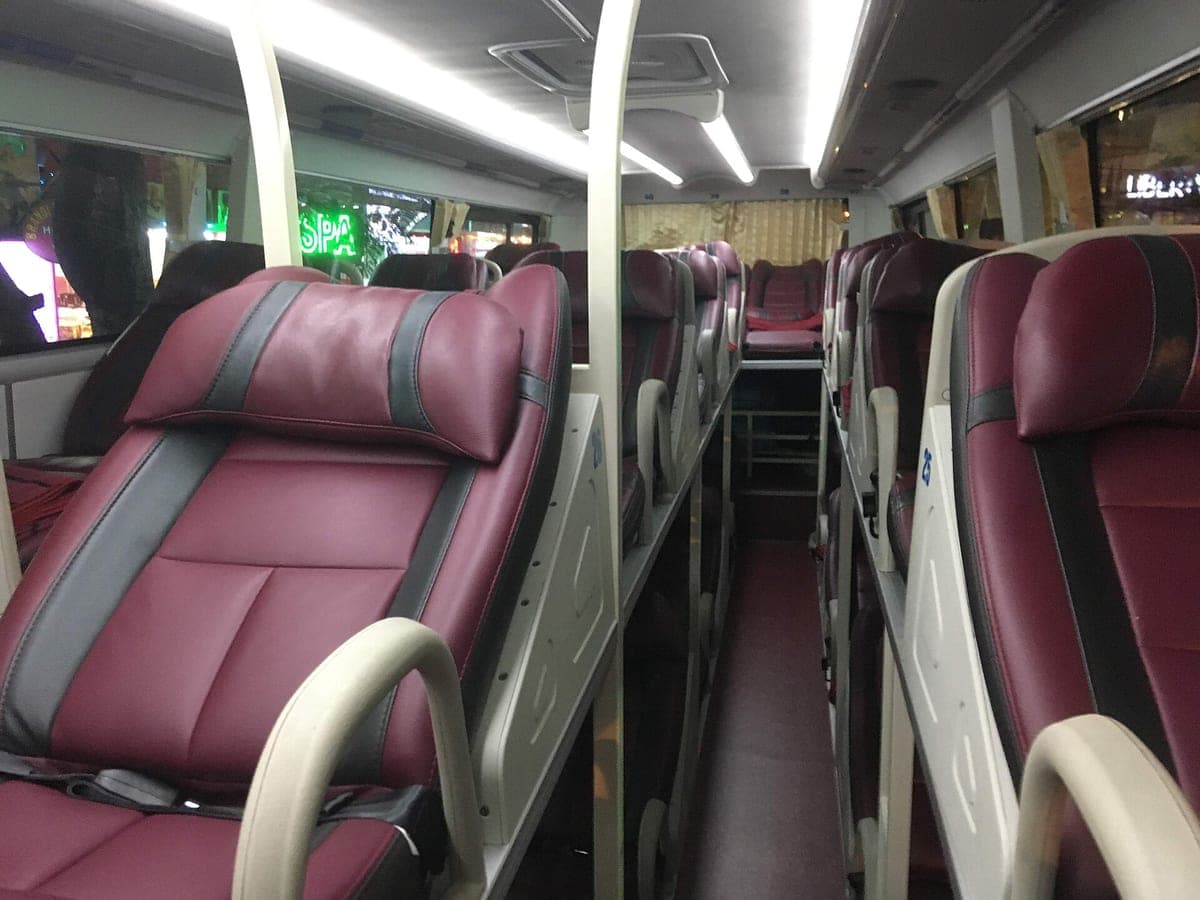
The main way into Mũi Né from Ho Chi Minh City is the sleeper bus: a double-decker with two tiers of flat berths instead of seats. You lie down, take the blanket they hand you, and five or six hours later you open your eyes on the resort strip. Tickets run 180,000–280,000 VND (~$7–11) depending on operator and class, and the very cheapest overnight fares dip to about 150,000 VND.
The distance is roughly 200–250 km along the new CT.01 expressway and highway AH1. Before the expressway opened the drive took six to seven hours; now sleeper buses do it in five to six, even at night.
Everything arrives on Nguyễn Đình Chiểu, the single road that is effectively all of Mui Ne, lined with resorts from Sunny Beach to White Sand. The three operator offices are spread several kilometres apart along it, so the company you pick decides how far you still have to walk.
The three operators
| Parameter | Phuong Trang (Futa) | Hanh Cafe | Sinh Tourist |
|---|---|---|---|
| Sleeper fare, VND | 180,000–230,000 | 220,000–280,000 | 199,000–249,000 |
| In USD | ~$7–9 | ~$9–11 | ~$8–10 |
| Departures per day | See futabus.vn | See hanhcafe.vn | 4 |
| Onboard Wi-Fi | Yes, patchy | Yes | No |
| Pickup in Pham Ngu Lao | Free shuttle | Included | Come to the office |
| Comfort | 4/5 | 4/5, VIP 5/5 | 3/5 |
| Card payment online | futabus.vn, 12go.asia | hanhcafe.vn, 12go.asia | thesinhtourist.vn, 12go.asia |
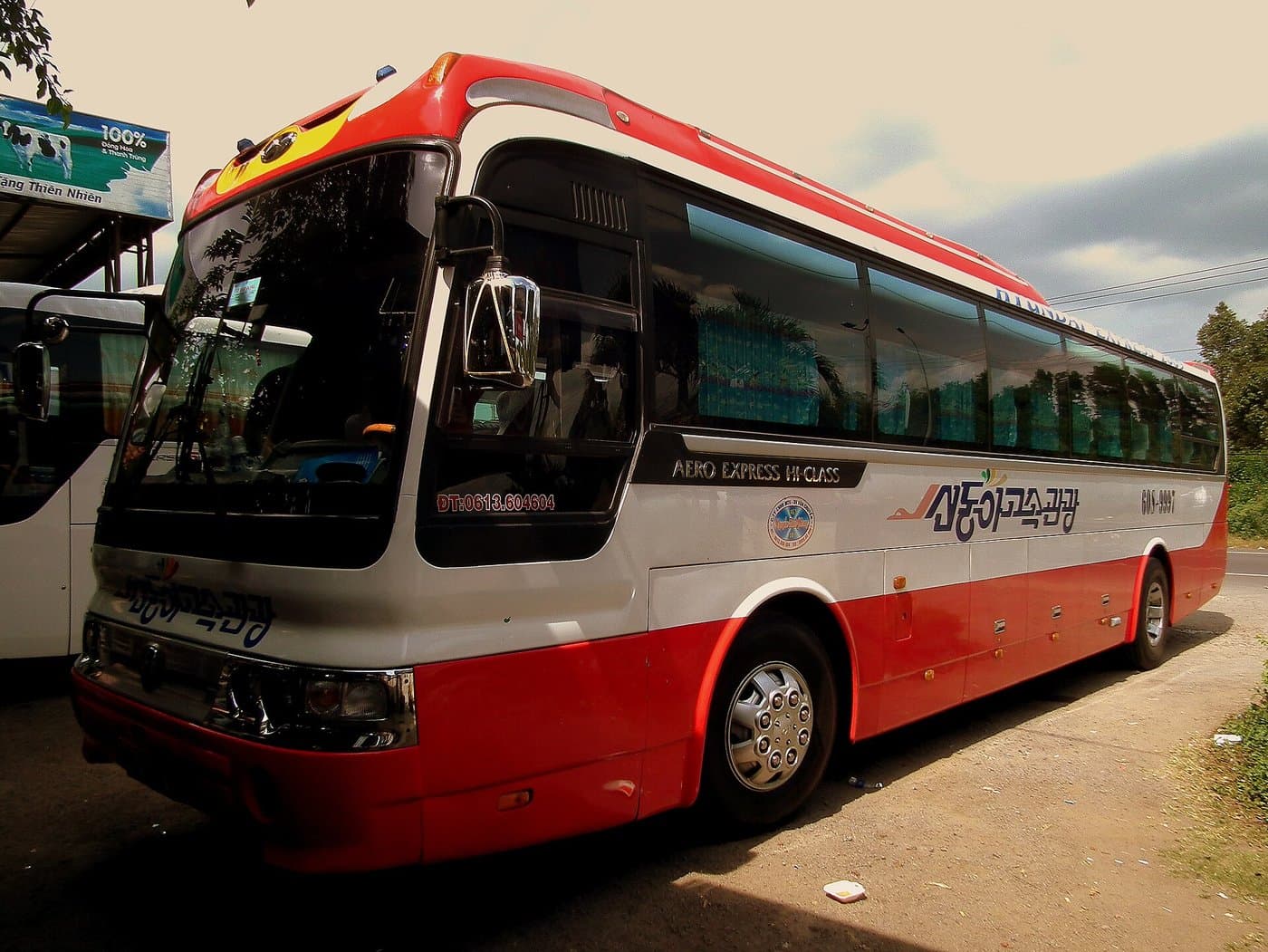
Phương Trang (Futa Bus) is the biggest intercity network in southern Vietnam. Orange double-deckers: a standard sleeper and a VIP Limousine with wider berths. Buses run from morning into the night; check the current timetable on the site. futabus.vn works in English and takes foreign cards without drama. You arrive at 97 Nguyễn Đình Chiểu, the western end of the strip, closer to Phan Thiet.
Hanh Cafe picks up from hotels in Phạm Ngũ Lão. Check current departure times on hanhcafe.vn. Their fleet includes VIP cabins, enclosed capsules with a curtain rather than open berths. Arrival is 246 Nguyễn Đình Chiểu, the eastern end, near the fishing village.
Sinh Tourist is old backpacker infrastructure, familiar across Southeast Asia. Its selling point is the open ticket: one fare lets you break the journey and continue later — Mũi Né to Nha Trang to Hoi An — on Sinh buses within a month. Four departures a day (07:00, 14:00, 21:00 and 22:15) from the office at 246–248 Đề Thám, arriving at 144 Nguyễn Đình Chiểu, mid-strip.
Where to board in Ho Chi Minh City
Phương Trang's main terminal is Bến xe Miền Đông Mới out in District 9, about an hour from the centre by Grab at around 150,000 VND. Almost nobody does that. All three operators keep offices in the backpacker quarter of Phạm Ngũ Lão in District 1, and Phương Trang runs a free shuttle from there 30–40 minutes before each intercity departure.
The normal sequence: book on futabus.vn or 12go.asia, turn up at the Phạm Ngũ Lão office an hour before departure, take the shuttle, transfer to the main coach half an hour later.
Picking a berth
Berths run in two tiers, twenty per level, in three columns down the bus. Position matters more than you would expect:
- Lower tier — steadier through corners, easier to reach the toilet. Downside: people walk past you and clip your legs with bags.
- Upper tier — a capsule effect, nobody bothers you. Downside: bumps hit harder up there, and you climb a small ladder.
- Rows 1–2 — next to the driver, so engine noise and whatever he is playing.
- Rows 8–10 — by the toilet. Occasional smell, but no foot traffic at night.
- The sweet spot — rows 3–5, upper tier, centre or window column.
You take your shoes off when boarding; they are bagged in plastic and handed back to you. Each berth comes with a blanket, a pillow and a 500 ml bottle of water.
Kite gear, surfboards and oversized bags
Mui Ne is Vietnam's kite capital, which means a good share of arrivals turn up with a board bag 140–160 cm long. Sleeper buses were not designed around that. The luggage hold underneath is shallow, and whether a long bag goes in is at the driver's discretion rather than in any published policy. Phương Trang and Sinh Tourist will sometimes charge an oversize supplement of 50,000–100,000 VND, and sometimes refuse outright on a full night run.
Buying a ticket
- futabus.vn, thesinhtourist.vn, hanhcafe.vn — the operators' own sites, card payment accepted.
- 12Go, Baolau or Bookaway — aggregators with proper English and a $1–2 markup.
- The Phạm Ngũ Lão office — cash, an hour before departure. Risky in high season, when the night runs sell out.
December to March, book one or two days ahead, especially for overnight departures. June to August there are always seats.
The train from Saigon, plus a taxi to Mui Ne
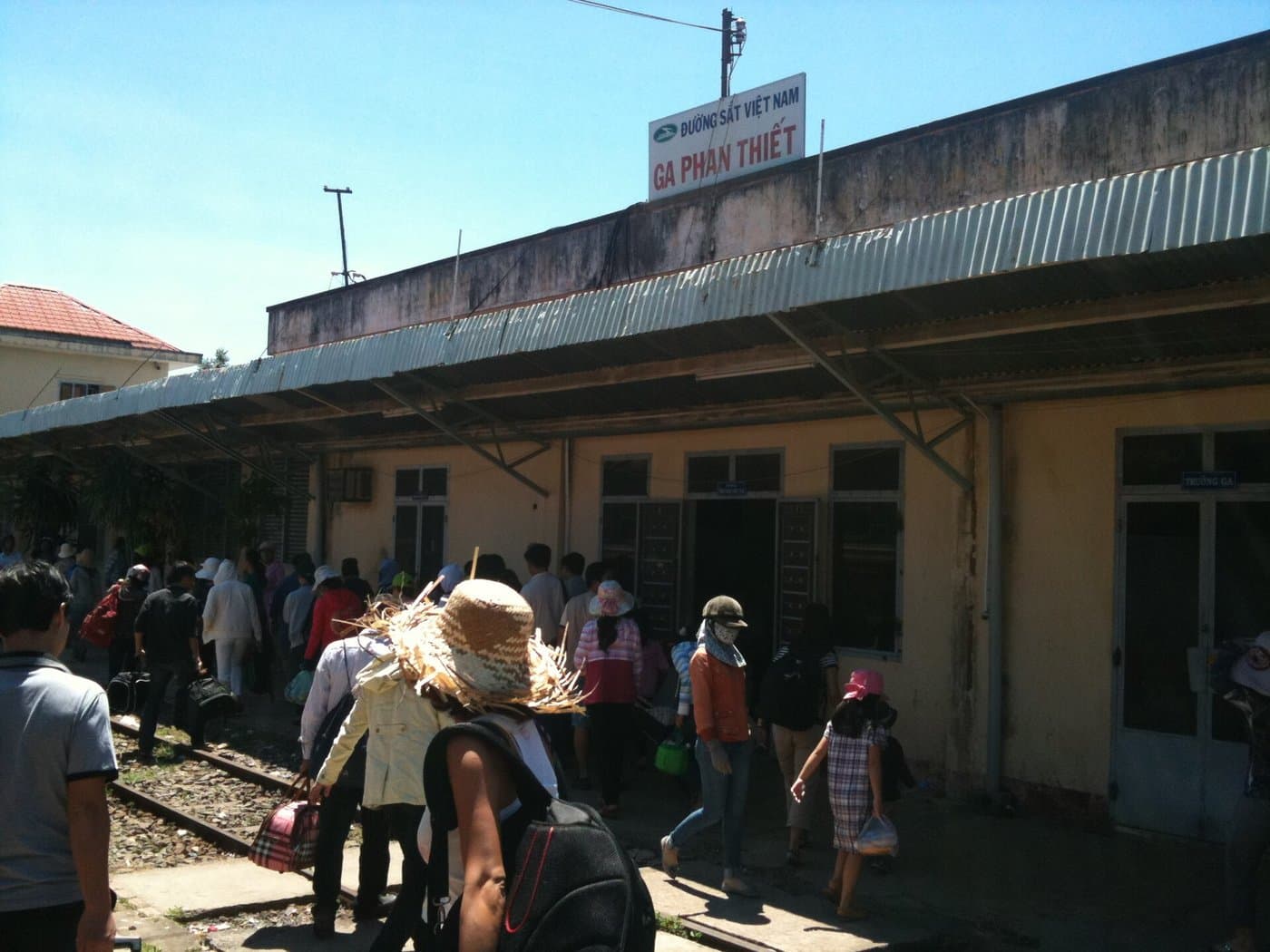
One pair of trains runs between Sài Gòn and Phan Thiết: the SPT2 out of Saigon and the SPT1 back. From 11 September to 30 December 2026 tickets are sold only for Friday, Saturday and Sunday. The trip takes about four hours and costs $16–18. There is a single catch, but it is a real one: the train does not reach Mui Ne. It stops at Ga Phan Thiết, 25 km short, and you finish the trip by taxi or Grab in another 30–35 minutes.
If travelling on a weekend or public holiday, it's advisable to book tickets at least a couple of days in advance, as trains can be busy at these timesTom Divers, Vietnam Coracle, 2026
| Direction | Departs | Arrives | Duration |
|---|---|---|---|
| Ho Chi Minh City → Phan Thiet | 06:45 | 10:42 | 3 h 57 m |
| Phan Thiet → Ho Chi Minh City | 13:30 | 17:46 | 4 h 16 m |
Departure is from Ga Sài Gòn, the main station in District 3. From Ga Phan Thiết to the offices on Nguyễn Đình Chiểu is 25 km along the DT-706B. A metered taxi is 200,000–280,000 VND (~$8–11); Grab is cheaper at 150,000–200,000 VND (~$6–8).
Carriage classes
Hard seat means moulded plastic and no guaranteed air conditioning, around $16, which is survivable for four hours. Soft seat AC gives padded reclining seats, guaranteed aircon and power sockets for $18. Two dollars apart, so take the soft seat. Trolleys come through with tinned coffee, instant noodles, fruit and hủ tiếu. Not every service has a restaurant car.
Train versus sleeper bus: take the train if overnight buses do not agree with you, if you would rather travel in daylight, or if central Phan Thiet is somewhere you actually want to spend a couple of hours. Take the bus if Mui Ne is the destination, because it puts you on the resort strip without a second leg.
Private transfer from Ho Chi Minh City
The most comfortable option and the most expensive one. A seven-seat minivan costs 1.8–2.3 million VND (~$72–92); a four-seat sedan is 1.2–1.6 million VND (~$48–64). For that you get met with a name board at Tân Sơn Nhất or your hotel, driven four and a half hours down CT.01, and dropped at your resort's front door.
It makes sense if you are four or more (split four ways that is about $17–22 each: more than a bus ticket, but door to door), if you land very early or very late when buses are not running, if you travel with small children or older relatives, or if you carry board bags and dive gear that a coach hold will not take.
Where to book: 12Go, Baolau, Klook and Bookaway all cover the route with English support and card payment. Booking two or three days out is the minimum; in high season, a week.
The price includes the name board, door-to-door service and a bottle of water. A tip of 50,000–100,000 VND is customary but not expected.
Transfer from Cam Ranh (CXR)
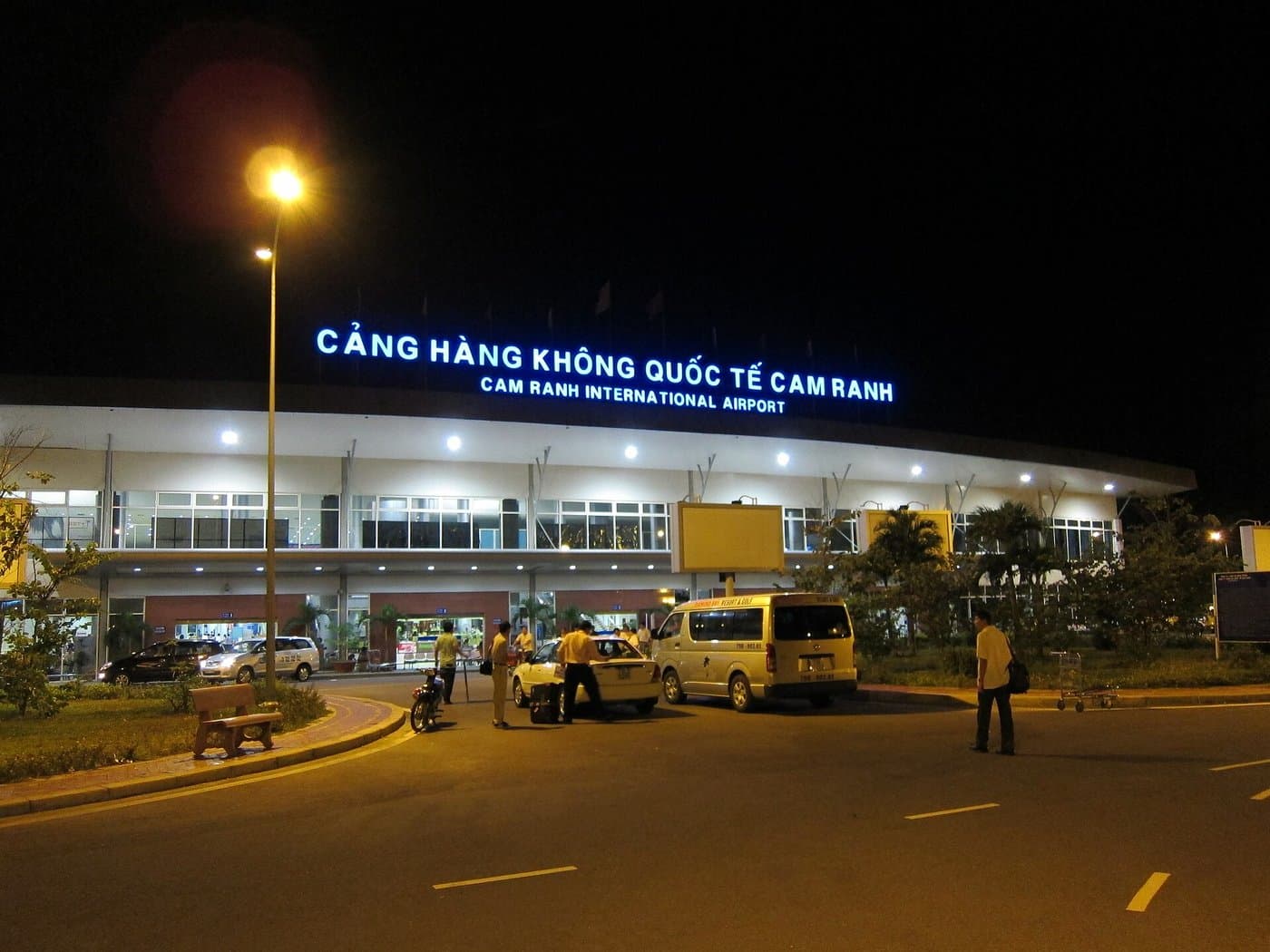
If you fly into Cam Ranh, as most charter traffic does, it is 210 km to Mui Ne along AH1, four to four and a half hours. The route runs Cam Ranh to Phan Rang to Mũi Né, with one stop at a roadside restaurant in Phan Rang for the toilet, coffee and a bowl of phở at about 50,000 VND.
Currency converter
| Option | Price | Time |
|---|---|---|
| Private minivan, 7 seats | 1.8–2.8M VND (~$72–112) | 4–4.5 h |
| Private sedan, 4 seats | 1.5–2.1M VND (~$60–84) | 4–4.5 h |
| Metered taxi from the airport desk | 2.5–3.5M VND (~$100–140) | 4–4.5 h |
| Sleeper bus via Nha Trang | 230,000–300,000 VND (~$9–12) | 6–7 h |
Private transfer — right for most people
Book it before you fly. The taxi desks in the Cam Ranh arrivals hall quote 2.5–3.5 million VND, while the online aggregators price the identical minivan at 1.8–2.8 million. The gap is about 700,000 dong, or roughly $27, for the same drive.
Where to book: 12Go, Klook, Bookaway, or through your tour operator if you are on a package — it is often already included.
The driver meets you in arrivals with a board. There is Wi-Fi in the car, unreliable, and a bottle of water. The stop in Phan Rang is fixed at 15–20 minutes.
Sleeper bus from Cam Ranh — the budget route
There is no direct Cam Ranh to Mui Ne coach. The sequence is an airport bus to Nha Trang (50,000 VND, 50 minutes), then a sleeper bus Nha Trang to Mui Ne (180,000–250,000 VND, five to six hours). Total: six to seven hours and 230,000–300,000 VND (~$9–12). Roughly eight times cheaper than a taxi, half again as slow, and with a change in the middle.
From Nha Trang, Da Lat and Vung Tau
From Nha Trang
Nha Trang is the nearest big city, about 250 km away. A sleeper bus costs 180,000–250,000 VND (~$7–10) and takes five to six hours; Phương Trang, Sinh Tourist and Hanh Cafe all run it, with daytime and overnight departures: Sinh Tourist, for example, runs 07:15 → 12:15 and 20:00 → 01:00.
For moving around once you are there, see the Nha Trang transport guide.
From Da Lat
Da Lat is the mountain resort 165 km away. Phương Trang and Sinh Tourist both cover it in four to four and a half hours, but in seated coaches rather than sleepers: since 20 September 2026 Futa runs limousines with seats here at 240,000 VND (~$9).
The road climbs a pass in switchbacks past tea plantations and coffee terraces. Fair warning if you get carsick: the first two hours out of Da Lat are continuous hairpins, so sit near the front.
From Vung Tau
There is no direct connection. Everything routes through Ho Chi Minh City: bus or ferry to the city (1.5–2 hours), then a sleeper bus to Mui Ne. Seven to nine hours door to door. The alternative is a private transfer along the coast via Long Hải, five to six hours, around 3.5 million VND (~$140).
On to Vinpearl Nha Trang
Vinpearl sits on an island five kilometres off Nha Trang. From Mui Ne: sleeper bus to Nha Trang (five to six hours), then the sea-crossing cable car to Hòn Tre island or the twenty-minute ferry. The park there now goes by the name VinWonders Nha Trang. Plan a night there — doing it as a day trip from Mui Ne does not work.
Phan Thiet airport — when it opens
Sun Group broke ground on the civil half of Phan Thiet airport on 27 April 2026. Investment runs past 3,900 billion VND (~$150 million) across roughly 75 hectares, built to 4E standard, wide-body capable, with a first-phase capacity of about two million passengers a year. The airport is being built inside Mui Ne ward itself, on its northern edge.
| Item | Detail |
|---|---|
| Location | Near Phan Thiet, southern Vietnam |
| Class | 4E, international standard |
| Investment | ~3,900 billion VND (~$150M) |
| Capacity, phase 1 | 2 million passengers a year |
One administrative note that trips up older guides: the ceremony was held by the People's Committee of Lâm Đồng province. Bình Thuận was folded into an enlarged Lâm Đồng in the 2025 provincial reform, so any source still filing Phan Thiet under "Binh Thuan province" predates that change.
Fast Track — no queue at the border
5–10 minutes instead of an hour in the immigration queue
from$11per passenger
Getting around Mui Ne — bus, taxi, Grab
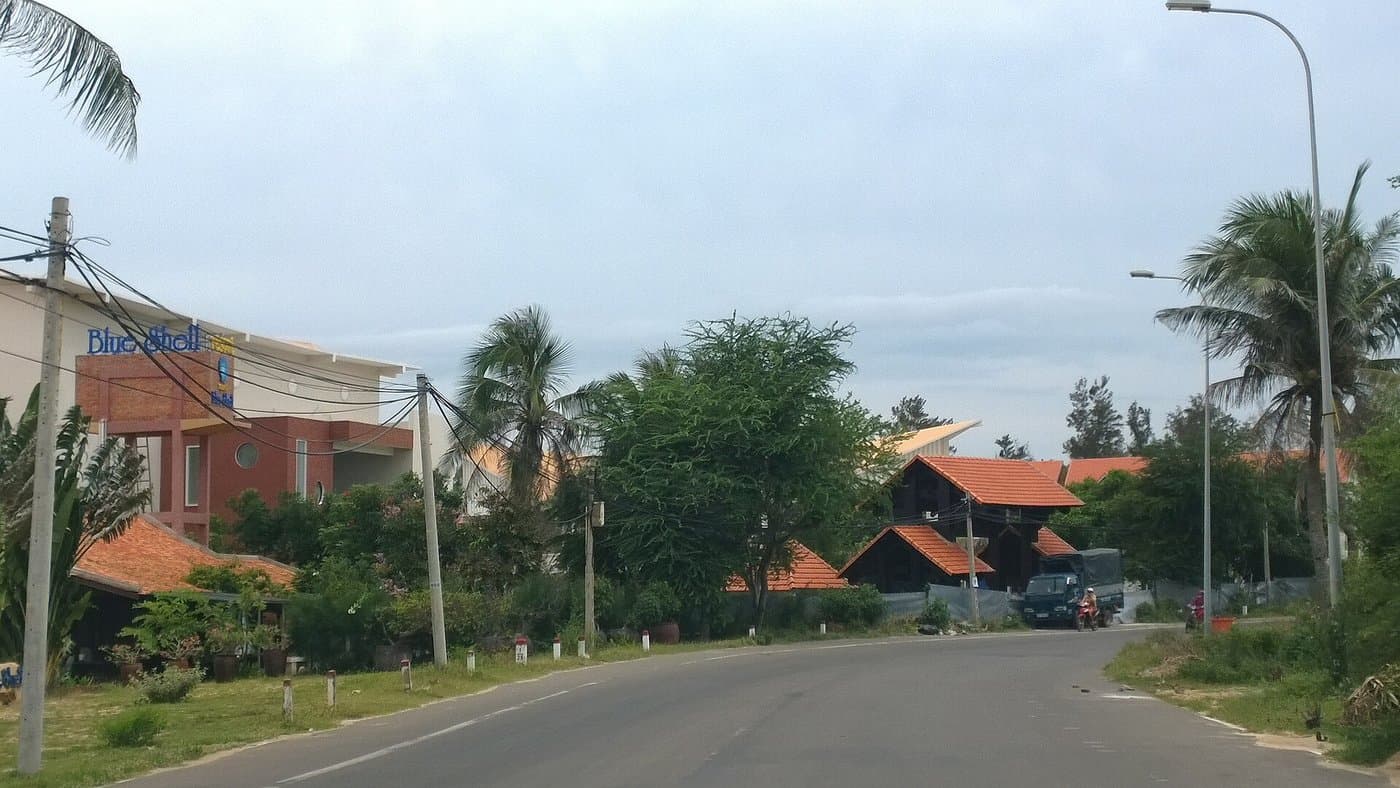
Mui Ne stretches ten kilometres along the coast. Between the western end, nearest Phan Thiet, and the eastern end at the fishing village is a 20–25 minute drive. You can manage without your own transport, but you will be calling a Grab or waiting for bus number 1.
City bus 1, Phan Thiet to Mui Ne

The main local service. It starts at Bến xe Phan Thiết, crosses the city past Lotte Mart, then runs the length of Nguyễn Đình Chiểu to the fishing village. Routes 4, 6 and 9 cover parts of the same corridor.
| Item | Detail |
|---|---|
| Operating hours | 05:30–19:00 |
| Frequency | Every 20–30 minutes |
| Fare within Mui Ne | 9,000–12,000 VND (~$0.40) |
| Mui Ne to central Phan Thiet | 13,000 VND (~$0.55) |
| Mui Ne to Lotte Mart | 16,000 VND (~$0.65) |
There are no fixed stops along the resort strip. You flag it down like a minibus and tell the conductor in advance where you are getting off. Cash to the conductor on exit.
Mai Linh and Vinasun taxis
Two metered operators you can trust: Mai Linh, white and green, and Vinasun, white with a red stripe. The meter starts at 11,000–14,000 VND for the first half-kilometre, then runs 14,000–18,000 VND per kilometre.
| Route | Price |
|---|---|
| Mui Ne centre to Fairy Stream | 60,000–80,000 VND (~$2.5–3) |
| Mui Ne centre to Red Dunes | 80,000–120,000 VND (~$3–5) |
| Mui Ne centre to White Dunes | 250,000–320,000 VND (~$10–13) |
| Mui Ne centre to central Phan Thiet | 220,000–280,000 VND (~$9–11) |
Do not flag unmarked cars on the street: the meter runs fast and you end up paying two or three times the rate. Ask your hotel desk to call Mai Linh instead, and they arrive in five to ten minutes. Where to go once you have a car is covered in things to do in Mui Ne.
Grab and Maxim
Grab operates officially in Phan Thiet and Mui Ne. Cars are noticeably thinner on the ground than in Ho Chi Minh City or Nha Trang: after 21:00 expect a five to fifteen minute wait. GrabCar starts at 25,000 VND plus 11,000 VND per kilometre; GrabBike is two to three times cheaper with a base from 12,000 VND; Maxim sits 10–15% below Grab with a thinner driver pool.
Uber, Bolt and Lyft do not operate in Vietnam.
Renting a scooter in Mui Ne
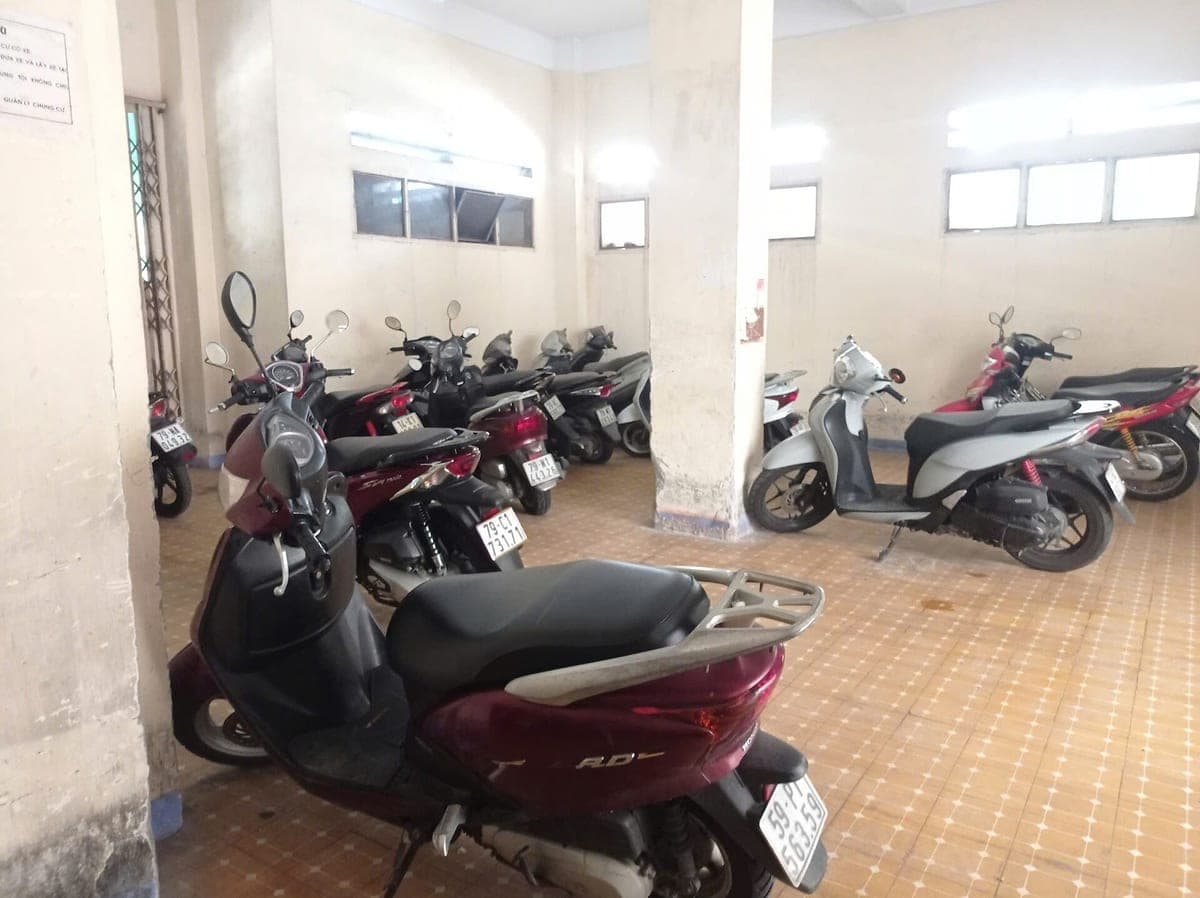
A scooter is the practical answer to a resort strung out over ten kilometres, where everything worth reaching is five to ten minutes apart. A Honda Vision or Yamaha Janus runs 120,000–150,000 VND a day (~$5–6); a Honda Air Blade 125 cc costs 150,000–200,000 VND.
| Item | Price |
|---|---|
| Honda Vision, Yamaha Janus | 120,000–150,000 VND/day |
| Honda Air Blade, 125 cc | 150,000–200,000 VND/day |
| Monthly rental | 1.8–3M VND (~$72–120) |
| Petrol, litre of RON 95 | 22,000–25,000 VND (~$1) |
| Deposit | Passport or $200 cash |
| Helmets | Two, included |
Where to rent
There are a dozen rental shops along Nguyễn Đình Chiểu. English-speaking options worth knowing: motorbikemuine.com, which delivers to your hotel; Mui Ne Bike at the western end; and Tony Bikes, a little cheaper. bikesbooking.com aggregates several of them with card payment.
Most shops want your passport as a deposit. Some will take $200 in cash instead, which is the better deal: you need the physical passport for hotel check-in and for a SIM card, and handing it over for a week is a bad trade. For monthly rentals they will insist on the passport regardless. At return they check for scratches, and anything under a centimetre is usually waved through.
Try walking around some more, or ask at your hotel: it'll be only slightly more expensive, but they won't ask for your passportTaxpolice, Vinsky Forum, 2019, translated by VietnamSpot
The licence question, and why your IDP probably does not count
Under 50 cc, no licence is required. For 110–125 cc machines, which is every Vision, Janus and Air Blade on the strip, Vietnamese law wants your home driving licence with category A1 plus an International Driving Permit issued under the 1968 Vienna Convention.
Rental shops will not stop you and will not ask. The consequence is entirely yours.
You also cannot take a rented scooter onto the dunes: it is banned in every rental agreement and sand destroys the engine. The Red and White Dunes have their own quad-bike operators at 300,000–600,000 VND for 15–30 minutes.
More on riding here: Renting a motorbike in Vietnam · Vietnamese road rules
Bicycles
Plenty of resorts lend guests a bicycle free. Street rental is 50,000–80,000 VND a day (~$2–3). Fine for short hops along Nguyễn Đình Chiểu, though the road is narrow, has no bike lane, and shares its edges with coaches. For the dunes and Fairy Stream it is too far.
Mistakes and shortcuts
- A sleeper bus on your flight day is a serious risk of missing the plane. Leave six to eight hours of buffer for traffic and delays.
- Handing over your passport is fine for one or two days. For a week or more, offer a copy plus $200: you need the original for hotel registration and for a SIM card.
- Flagging a taxi on the street — do not. Grab, Mai Linh or Vinasun only.
- Booking a bus on the day in high season (December to March) fails: the night runs sell out. Book one or two days ahead.
- Arranging your Cam Ranh transfer at the airport desk costs about 700,000 dong more than booking it online.
- Renting a car to drive yourself: check in advance which licence the rental company accepts. For most visitors a car with a driver is simpler.
- Packing a jacket for Mui Ne is unnecessary outdoors at 28–32 °C, but essential on the bus. The aircon runs cold, so bring a hoodie or a light blanket.
- Assuming cards work — carry cash. Kiosks, toilets and conductors take nothing else, and ATM withdrawals on a foreign card cost 22,000–55,000 VND each.
FAQ — getting to Mui Ne
A Phuong Trang sleeper bus at 180,000 VND (~$7), and the very cheapest night fares dip to about 150,000. That is eight to ten times less than a private transfer and half the cost of the train plus a taxi at the other end. Take the standard double-decker rather than the VIP Limousine: the difference is berth width, not journey time.
Four to four and a half hours by road, 210 km along highway AH1. By sleeper bus with a change in Nha Trang it is six to seven hours. There is no direct coach from the airport, so the budget route means an airport shuttle to Nha Trang first.
It depends entirely on the operator, and it is worth checking before you book. Phuong Trang stops at 97 Nguyen Dinh Chieu, the western end nearest Phan Thiet. Sinh Tourist is at 144, mid-strip. Hanh Cafe is at 246, the eastern end near the fishing village. The end offices are several kilometres apart.
Not yet. The civil terminal at Phan Thiet is under construction with an opening window of 2027 to 2028. Until then you fly into Tan Son Nhat (SGN, Ho Chi Minh City) or Cam Ranh (CXR) and cover the remaining 200–250 km by road: sleeper bus, train plus taxi, or a private transfer.
A seven-seat minivan booked online runs 1.8–2.8 million VND (~$72–112); a four-seat sedan is 1.5–2.1 million. The metered taxi desk inside Cam Ranh airport quotes 2.5–3.5 million for the same journey, so booking ahead saves around $27.
Yes, Grab operates officially in Phan Thiet and Mui Ne. There are simply fewer cars than in the big cities: after 21:00 expect to wait five to fifteen minutes. Maxim is 10–15% cheaper with a thinner driver pool, and asking reception to call Mai Linh often beats both.
A Honda Vision or Yamaha Janus is 120,000–150,000 VND a day (~$5–6); a Honda Air Blade 125 cc is 150,000–200,000. Monthly rates run 1.8–3 million VND. The deposit is your passport or $200 in cash — take the cash option if you are offered it, because you need the physical passport for hotel check-in and for a SIM card.
Legally yes: your home licence with category A1 plus an International Driving Permit issued under the 1968 Vienna Convention. Check which version your IDP is: a 1949 Geneva Convention permit is not valid in Vietnam. Rental shops will not ask, but the fine is 2,000,000–4,000,000 VND and no travel insurance will cover a crash without a recognised licence.
Sometimes. The luggage hold is shallow and long board bags go in at the driver's discretion, with an oversize charge of 50,000–100,000 VND when they are accepted at all. Message the operator through 12Go before booking, or take a private transfer if you are carrying more than one board — it costs more than the bus, but the boards travel with you.
Read next: The complete Mui Ne guide · Things to do in Mui Ne · Where to eat in Mui Ne · Getting around Vietnam
VietnamSpot on InstagramTips, lifehacks and news for living in VietnamFollow


- Guide
Things to Do in Mui Ne 2026: 12 Sights, Prices, Map
Things to do in Mui Ne in 2026: Fairy Stream, the dunes, the fishing village, Cham towers and Ke Ga lighthouse. Entry fees in USD, a map and one-day routes.Things to Do in Mui Ne 2026: 12 Sights, Prices, Map - Weather
Mui Ne Weather by Month: Best Time to Visit 2026
Mui Ne weather and seasons month by month: dry almost year-round, the kite wind season and the best time for the beach vs kiting.Mui Ne Weather by Month: Best Time to Visit 2026 - Guide
Mui Ne Beaches: Where to Swim, Kite & Relax 2026
Mui Ne's strip beaches: Ham Tien, Hon Rom, Malibu and Suoi Nuoc — where to swim vs where to kite, erosion and seawalls, safety and season.Mui Ne Beaches: Where to Swim, Kite & Relax 2026